 Krater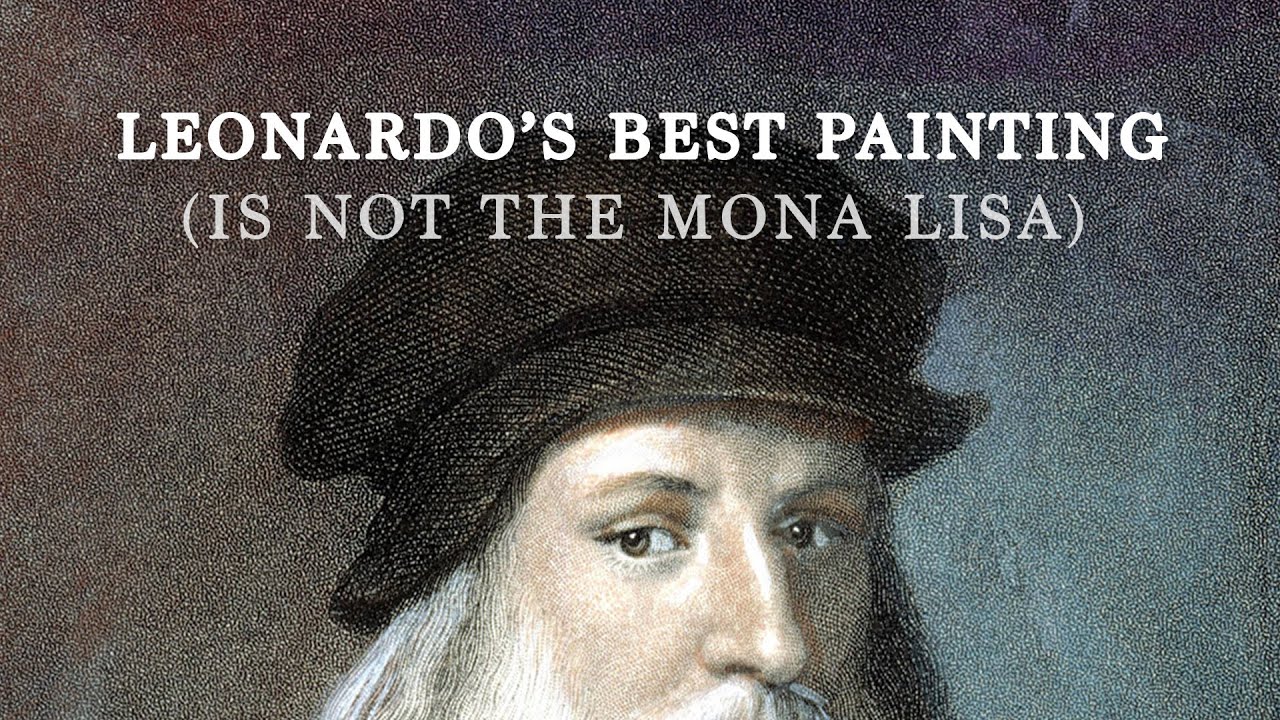
Leonardo da Vinci's Best Painting (Is Not The Mona Lisa)
A video on YouTube. In Video Essays, a Krater category.
Watch on YouTubeSummary by Krater
An analysis of Leonardo da Vinci's painting The Virgin and Child with St. Anne, exploring its compositional pyramid, underlying themes of time and religion, and sfumato technique.
From the video
Answers: What makes Leonardo da Vinci's The Virgin and Child with St. Anne a masterpiece of composition and technique?
- Leonardo da Vinci
- The Virgin and Child with St. Anne
- compositional pyramid in Renaissance art
- sfumato painting technique
- X-ray fluorescence spectroscopy
What it concludes
- Leonardo used the pyramidal composition to create stability, strength, and visual movement across the canvas.
- The sacrificial lamb in The Virgin and Child with St. Anne symbolizes the eventual sacrifice of Jesus on the cross.
- Leonardo's sfumato technique was achieved by laying down extremely thin translucent glazes of earth-colored pigments.
- The glaze thickness on the cheek of Jesus in The Virgin and Child with St. Anne ranged from under 8% earth-colored pigment and up to 30 layers.
Rate it, review it and add it to your lists in Krater.
Titles and thumbnails from YouTube. Krater isn't affiliated with, endorsed by or sponsored by YouTube or Google.