 Krater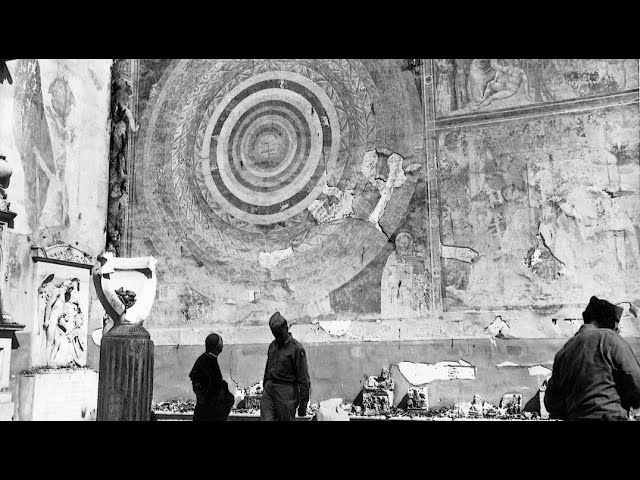
4 Roman Treasures Destroyed during World War II
A video on YouTube. In History, a Krater category.
Watch on YouTubeSummary by Krater
This video examines four Roman antiquities and treasures damaged or destroyed during World War II, including the Camposanto in Pisa, the Berlin State Museums, the Crypt of Cocceius, and the Nemi Ships.
From the video
Answers: What Roman treasures and antiquities were destroyed during World War II?
- World War II destruction of cultural heritage
- Camposanto monument in Pisa
- Berlin State Museums art losses
- Crypt of Cocceius military history
- Nemi Ships excavation and destruction
What it concludes
- An allied artillery shell struck the roof of the Camposanto in Pisa on July 27, 1944, causing a fire that destroyed most of its ancient frescos and damaged Roman sarcophagi.
- The Berlin State Museums suffered immense losses of classical antiquities when Allied bombing, the battle of Berlin, and post-war looting destroyed museum buildings and collections.
- The Crypt of Cocceius, an ancient Roman road tunnel near Naples, was severely damaged in 1943 when retreating Nazi soldiers set off stored explosives.
- Caligula's Nemi Ships, two massive Roman floating palaces, were completely destroyed by a fire in May 1944 during Allied shelling of a nearby German artillery post.
Rate it, review it and add it to your lists in Krater.
Titles and thumbnails from YouTube. Krater isn't affiliated with, endorsed by or sponsored by YouTube or Google.