 Krater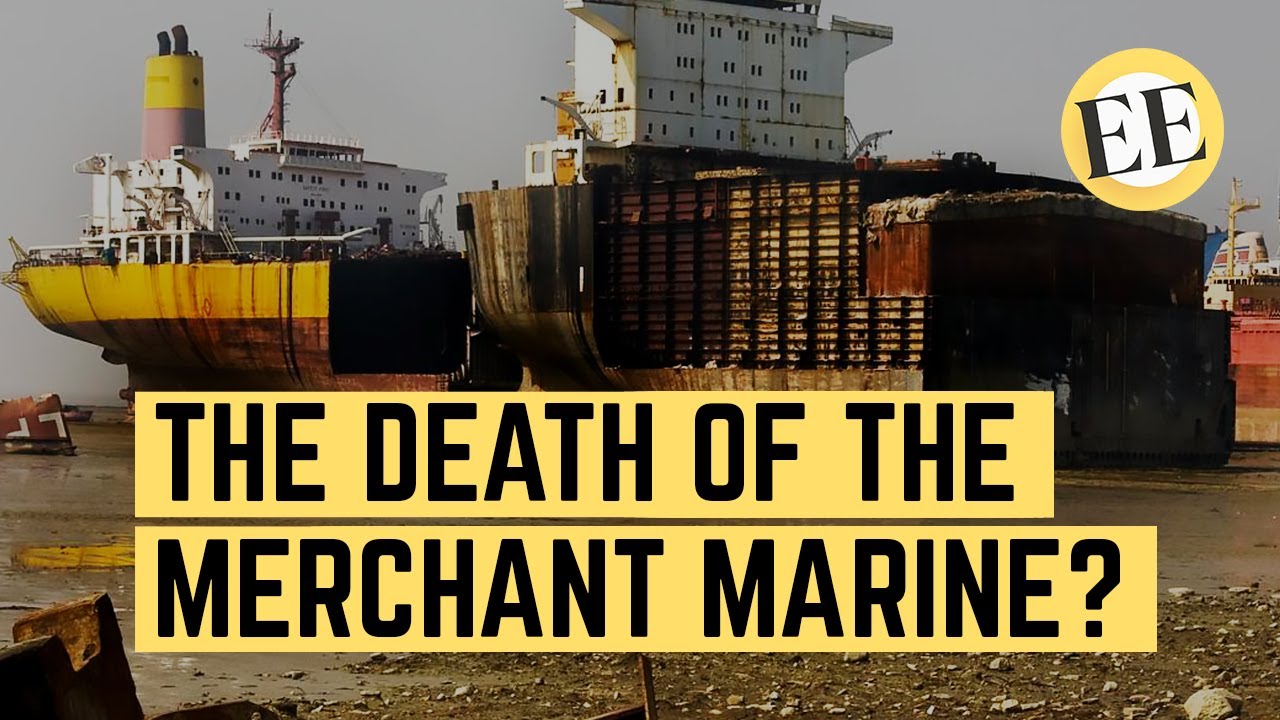
Why are Billions of Dollars Worth of Ships Being Intentionally Destroyed? | Economics Explained
A video on YouTube. In Business & Money, a Krater category.
Watch on YouTubeSummary by Krater
This video examines the economics of the merchant marine fleet, exploring why shipping companies scrap millions of dollars worth of assets, the impact of the global pandemic on global trade, and how low-cost manufacturing and infrastructure spending influence maritime trade.
From the video
Answers: Why are shipping companies scrapping billions of dollars worth of ships, and what does it mean for global trade?
- Merchant marine fleet economics
- Global trade and supply chains
- Ship scrapping and asset depreciation
- Panamax and VLOC shipping vessels
- Square-cube law in shipping capacity
- Slow steaming in maritime transport
- Infrastructure spending and iron ore prices
- Oil tanker market volatility
What it concludes
- Older ships are less efficient, burn more fuel, and require larger crews, making them financially unviable during downturns.
- Shipping companies use slow steaming to save on fuel costs by sailing ships slower than their maximum capability.
- The square-cube law explains why larger ships are more efficient, as doubling dimensions allows eight times the cargo capacity using only four times the material.
- China's heavy infrastructure spending has significantly increased the global demand and price of iron ore.
- The market for second-hand ships is weaker than the market for scrap metal, leading many companies to scrap older vessels for immediate cash flow.
- A smaller merchant marine fleet accelerates the push for nations to become more self-sufficient in manufacturing and trade.
Rate it, review it and add it to your lists in Krater.
Titles and thumbnails from YouTube. Krater isn't affiliated with, endorsed by or sponsored by YouTube or Google.