 Krater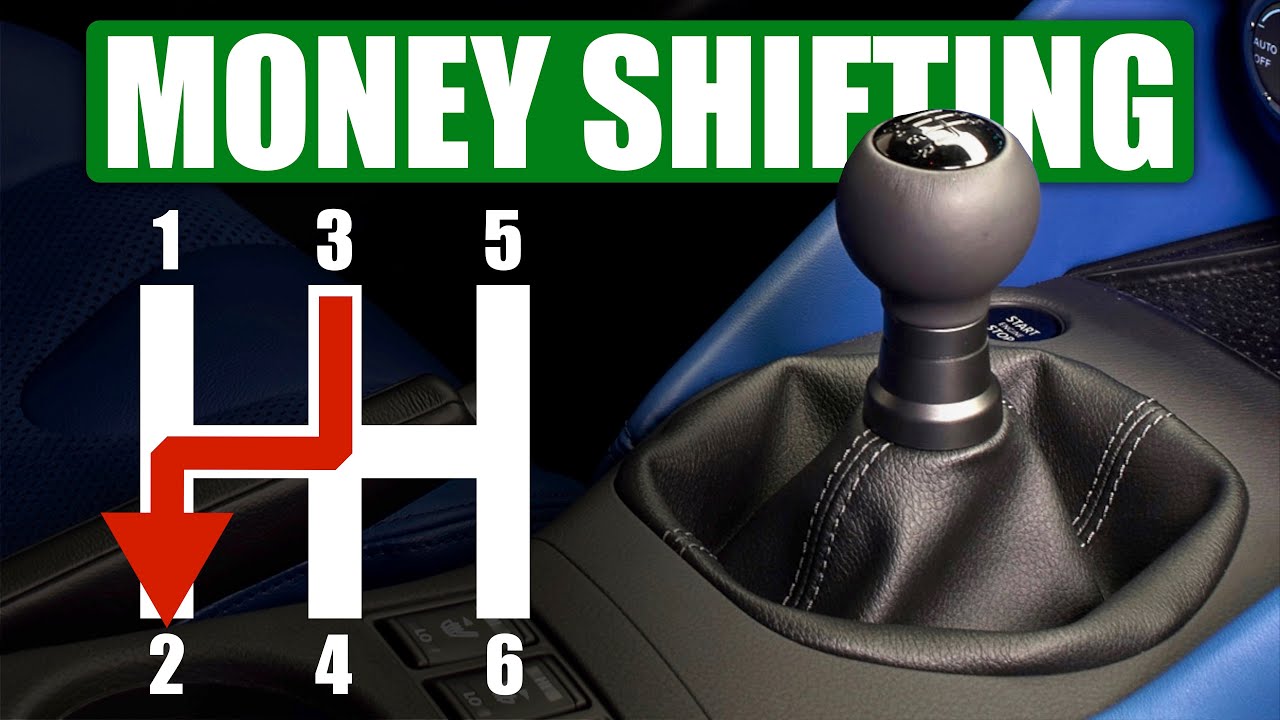
Money Shifting The 2023 Nissan Z - What Happens?!
A video on YouTube. In Cars, a Krater category.
Watch on YouTubeSummary by Krater
This video examines the mechanics and consequences of money shifting a manual transmission vehicle, focusing on engine over-revving, valve float, and valve-piston interference. It concludes that mismatched gear ratios during a mis-shift can dramatically exceed the engine's design limits and cause catastrophic engine damage.
From the video
Answers: What happens when you money shift a manual transmission car?
- Money shifting mechanics
- Transmission gear ratios
- Engine redline limits
- Valve float and interference engines
- Piston speed calculations
- Manual transmission lockout and skip-shift
What it concludes
- Money shifting a car into a lower gear than intended forces the engine RPM well past its redline, leading to severe mechanical stress.
- Higher gear ratio gaps between mis-shifted gears result in significantly higher over-rev speeds and greater engine damage potential.
- Exceeding the engine design RPM limits causes valve float, where springs can no longer control valve motion, leading to potential valve and piston contact in interference engines.
- Average piston speeds during severe money shifts can exceed the limits of production cars, reaching destructive velocities.
- Technologies like reverse gear lockouts and GM skip-shift can prevent certain mis-shifts, but mechanical solutions to prevent money shifts are largely unavailable.
Rate it, review it and add it to your lists in Krater.
Titles and thumbnails from YouTube. Krater isn't affiliated with, endorsed by or sponsored by YouTube or Google.