 Krater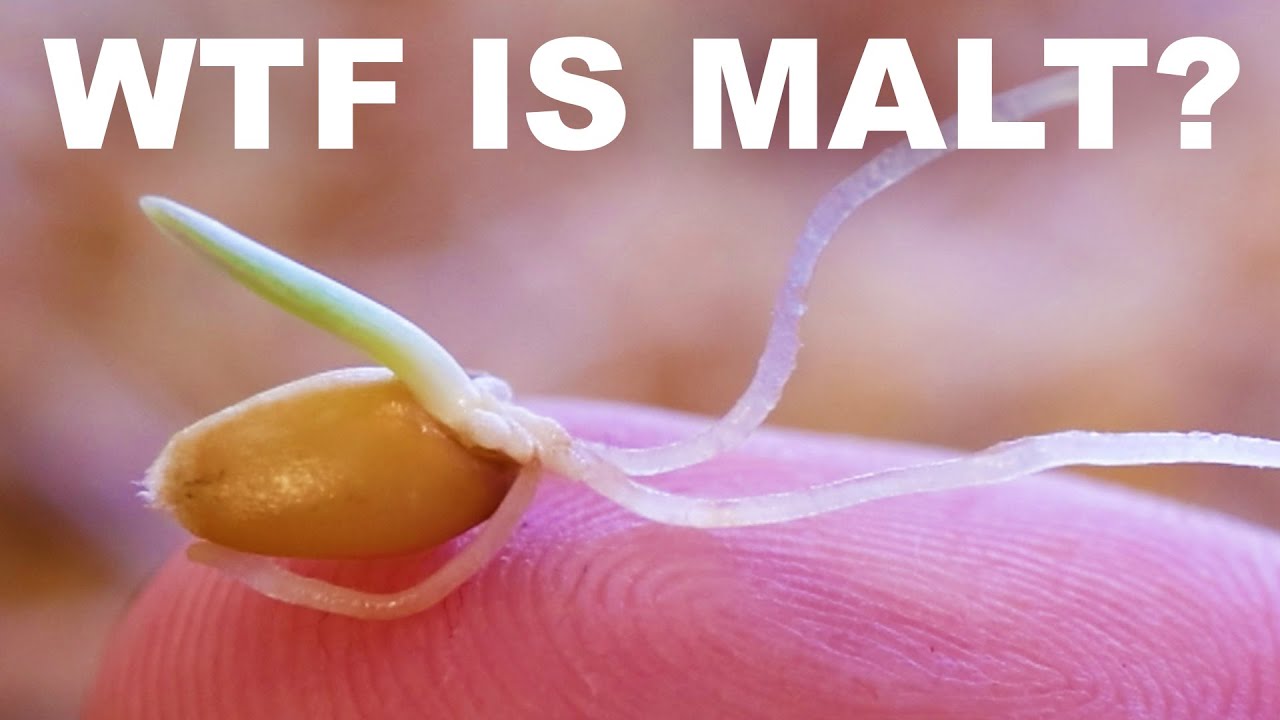
What is malt, and why does it make milk, bread and beer taste so good?
A video on YouTube. In Cooking, a Krater category.
Watch on YouTubeSummary by Krater
This video covers what malt is, how grains are malted by soaking and sprouting, and the role of the enzyme amylase in breaking down starches into simpler sugars for yeast fermentation in baking and brewing.
From the video
Answers: What is malt and how do you make it?
- malting grain
- role of amylase in baking and brewing
- diastatic vs non-diastatic malt
- starch breakdown and sugar conversion
- history and use of malted milk
What it concludes
- Malt is any cereal grain that has been allowed to germinate and sprout.
- Soaking seeds to a little under 50% hydration kickstarts the malting process by activating amylase enzymes.
- Amylase enzymes catalyze the transformation of starch inside the seed into simpler sugars like maltose.
- High temperatures above 149 F (65 C) deactivate and denature amylase enzymes.
- Diastatic malt powder contains active enzymes needed to feed yeast in baking and brewing, while non-diastatic malt powder is used solely for flavor and color.
- Barley is the most popular grain for malting because it has less gluten than wheat and produces clean flavor.
Rate it, review it and add it to your lists in Krater.
Titles and thumbnails from YouTube. Krater isn't affiliated with, endorsed by or sponsored by YouTube or Google.