 Krater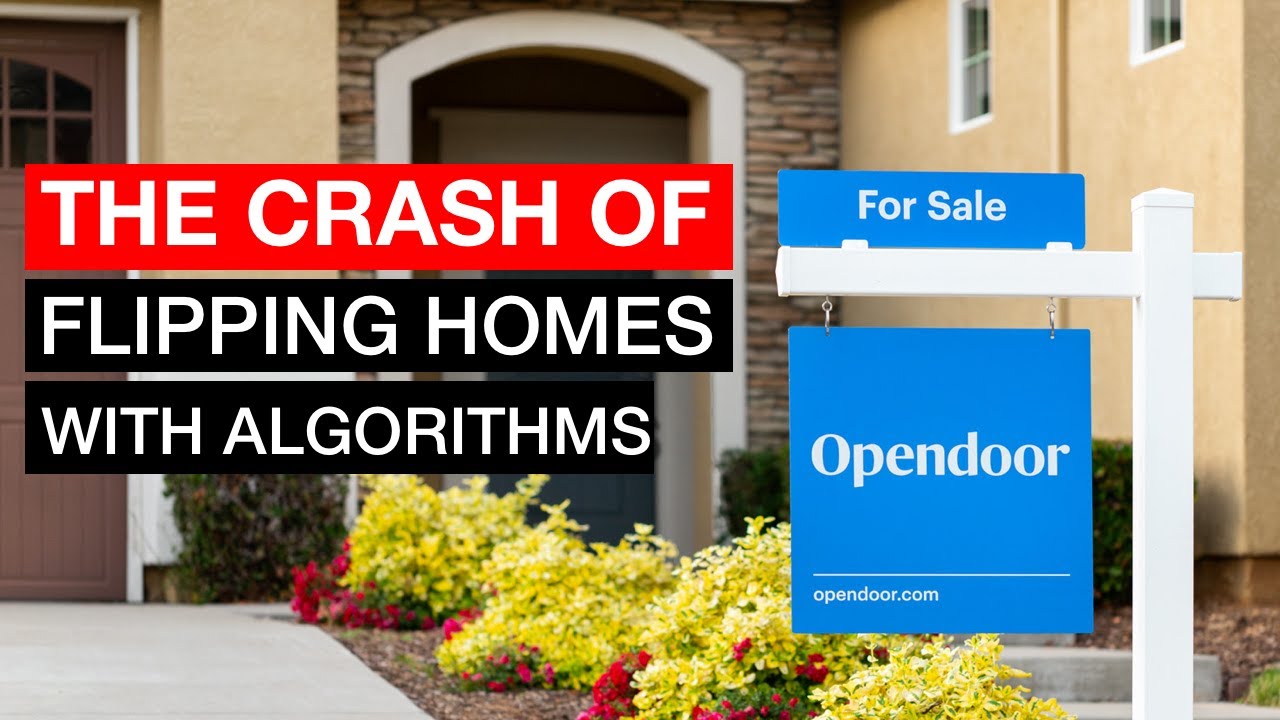
Real Estate Tech: A Crumbling House of Cards
A video on YouTube. In Business & Money, a Krater category.
Watch on YouTubeSummary by Krater
This video explores the rise, operations, and financial performance of iBuyer companies like Opdoor, Zillow Offers, and Offerpad, concluding that algorithmic home-flipping businesses face heavy operating losses and structural unit economic challenges.
From the video
Answers: How does Opdoor's iBuyer business model work and why do algorithmic home-flipping companies struggle financially?
- iBuyer business model in real estate
- algorithmic home pricing and valuation
- unit economics of house flipping
- corporate debt and leverage in proptech
- Opdoor IPO and financial performance
- Zillow Offers shutdown and iBuying failure
- Offerpad financial and operational comparison
What it concludes
- Opdoor relies on proprietary algorithms and data science to price, buy, renovate, and resell residential homes at scale.
- iBuyer companies consistently incur substantial net losses despite rapid revenue growth, driven by high operating expenses and debt financing costs.
- Opdoor's actual business model relies heavily on its 5% service charge and ancillary fees rather than the spread between acquisition and resale prices.
- Zillow shut down Zillow Offers and laid off 25% of its workforce after its automated valuation models failed during the COVID-19 housing market fluctuations.
- Offerpad achieves positive net profitability by maintaining stricter underwriting discipline and slower, more selective home acquisition compared to Opdoor.
Rate it, review it and add it to your lists in Krater.
Titles and thumbnails from YouTube. Krater isn't affiliated with, endorsed by or sponsored by YouTube or Google.