 Krater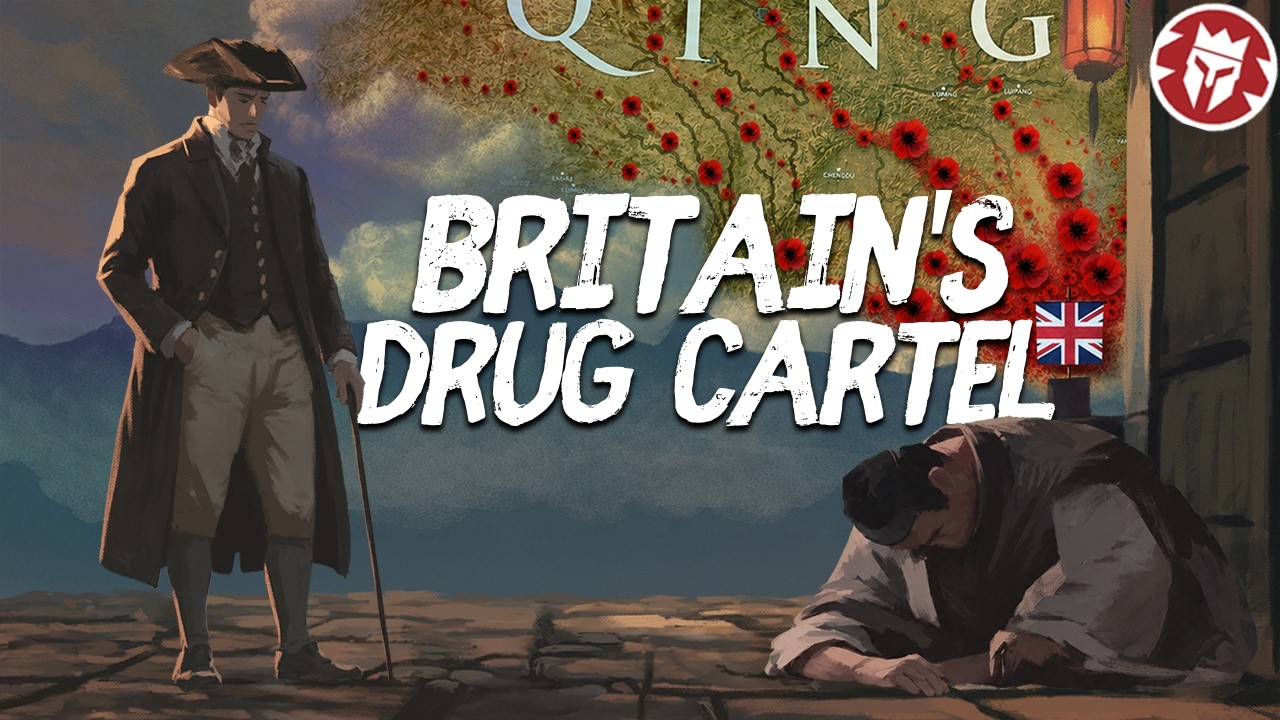
How a Company Hooked China on Opium - Tea Led to the Opium War
A video on YouTube. In History, a Krater category.
Watch on YouTubeSummary by Krater
This video explores how the British East India Company's tea trade with Qing Dynasty China fueled a massive opium crisis and ultimately led to the First Opium War and the Century of Humiliation.
From the video
Answers: How did the British East India Company's opium trade lead to the Opium Wars in China?
- British East India Company
- Qing Dynasty
- Opium trade in China
- First Opium War
- Lin Zexu
- Treaty of Nanjing
What it concludes
- The British East India Company's tea demand resulted in a massive trade deficit with Qing China, which they sought to fix through the illegal export of opium.
- The illicit opium trade caused widespread addiction in China, with an estimated 4 to 12 million addicts by 1838.
- Commissioner Lin Zexu's crackdown and destruction of over 1.2 million kilograms of opium served as a major catalyst for the First Opium War.
- The deployment of the steamship Nemesis and superior British naval power decisively defeated Chinese forces, exposing the decrepitude of the Qing military.
- The Treaty of Nanjing initiated China's Century of Humiliation by imposing massive indemnities, opening treaty ports, and ceding Hong Kong to Britain.
Rate it, review it and add it to your lists in Krater.
Titles and thumbnails from YouTube. Krater isn't affiliated with, endorsed by or sponsored by YouTube or Google.