 Krater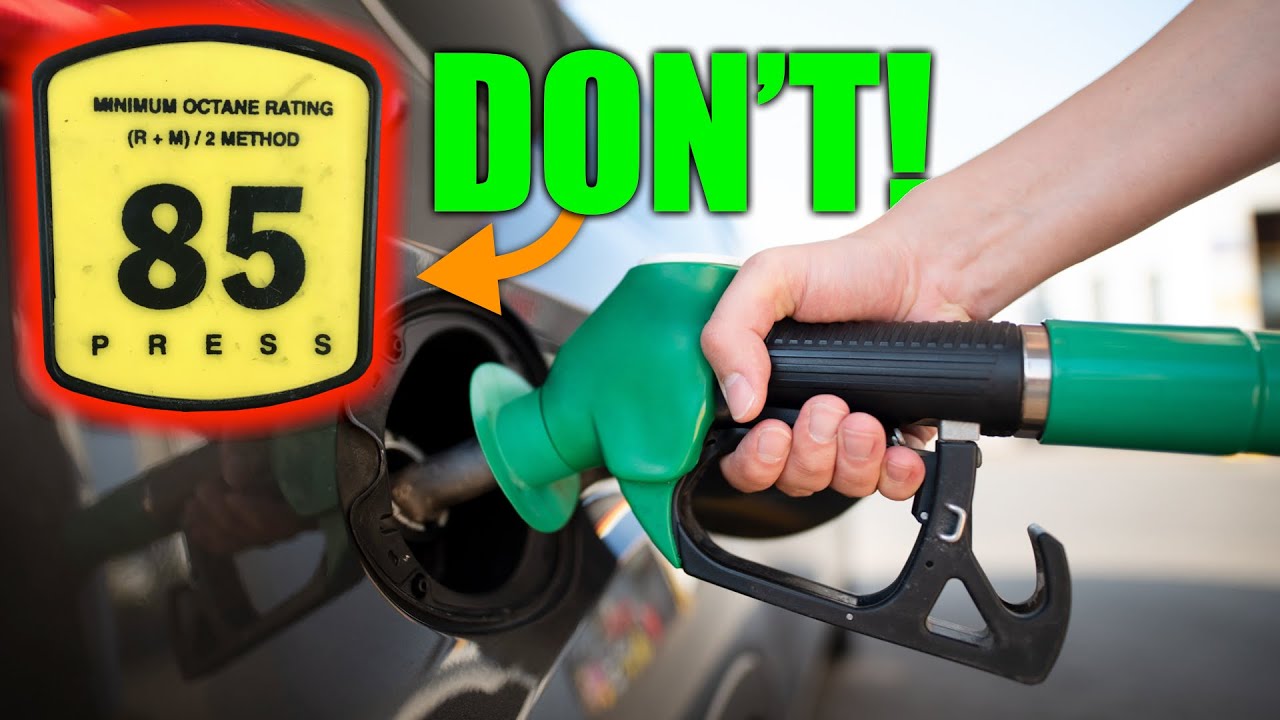
Never Use This Gas In Your Car!
A video on YouTube. In Cars, a Krater category.
Watch on YouTubeSummary by Krater
This video explains why low-octane fuel (such as 85 octane) is sometimes sold at high elevations, how elevation affects barometric pressure and engine knock, and why older carbureted engines tolerate low-octane fuel at elevation while modern vehicles with electronic fuel injection and turbochargers do not.
From the video
Answers: Why is 85 octane fuel sold at high elevations, and can you use it in modern cars?
- engine knock
- octane rating
- barometric pressure at elevation
- carbureted vs modern engines
- ignition timing and air-fuel ratio
What it concludes
- Low-octane fuel (like 85 octane) sold at high elevations can cause engine damage in modern cars that is not covered by the vehicle warranty.
- Older carbureted engines experienced a drop in octane requirements at higher elevations, making 85 octane fuel safe and cost-effective for them.
- Modern vehicles with electronic fuel injection, electronic ignition timing, and turbochargers or superchargers do not experience a significant drop in octane requirements at elevation up to about 3,300 feet.
- Using 85 octane fuel in modern cars at high elevation risks engine knock, especially under heavy load or when towing a trailer.
- Manufacturers recommend using premium fuel with an octane rating of 91 or higher when towing a trailer or driving in hot weather.
Rate it, review it and add it to your lists in Krater.
Titles and thumbnails from YouTube. Krater isn't affiliated with, endorsed by or sponsored by YouTube or Google.