 Krater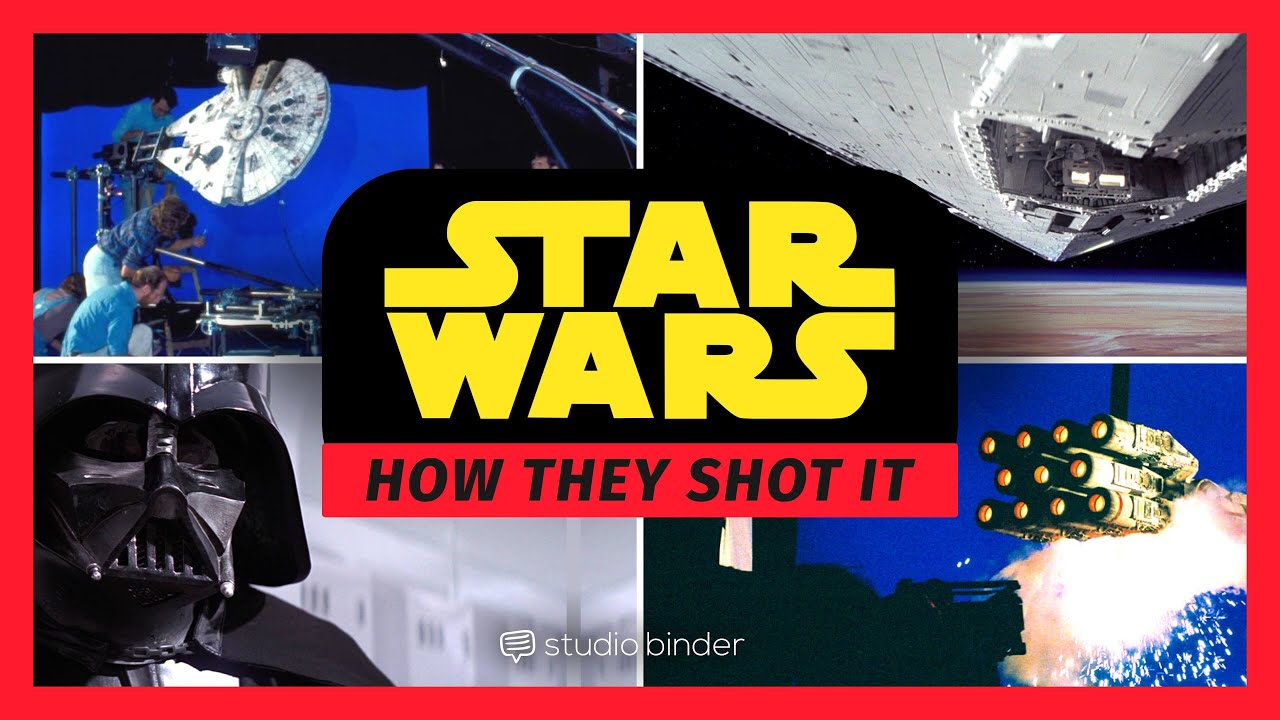
The Making of Star Wars — Pioneering Special Effects, VFX, and Sound Design
A video on YouTube. In Photography & Film, a Krater category.
Watch on YouTubeSummary by Krater
This video examines how George Lucas and his team created the groundbreaking practical and visual effects for Star Wars: Episode IV - A New Hope on an 11 million dollar budget, using techniques like Dykstraflex motion control cameras, optical printing, matte painting, and innovative sound design.
From the video
Answers: How were the special effects and sound design created for Star Wars: A New Hope?
- Practical special effects in Star Wars
- Dykstraflex camera system
- Matte painting techniques
- Optical printing compositing
- Sound design in Star Wars
What it concludes
- George Lucas and his team achieved grandiose visual effects on a budget of 11 million dollars by combining practical effects, matte paintings, and innovative camera and compositing techniques.
- The Dykstraflex, a computer-operated motion camera system, revolutionized sci-fi filmmaking by allowing complex, repeatable camera movements around models in front of blue screens.
- Ben Burtt pioneered the role of the sound designer in Star Wars, creating iconic and immersive sounds like lightsabers and Darth Vader's breathing using unexpected real-world sources.
Rate it, review it and add it to your lists in Krater.
Titles and thumbnails from YouTube. Krater isn't affiliated with, endorsed by or sponsored by YouTube or Google.