 Krater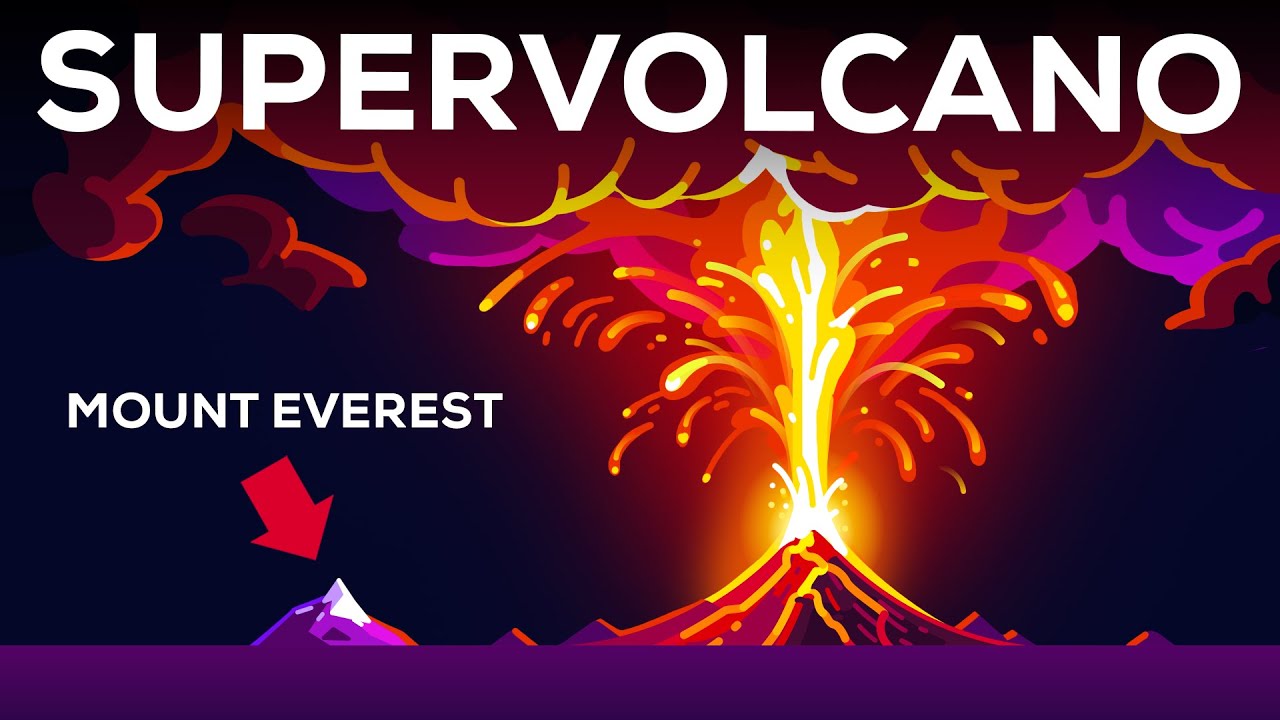
The Biggest Eruptions That Changed Earth Forever
A video on YouTube. In Explainers, a Krater category.
Watch on YouTubeSummary by Krater
This video explores how volcanoes work, detailing tectonic plate boundaries and mantle plumes, and explains the Volcanic Explosivity Index (VEI) from small eruptions to supervolcanoes like Taupo and Yellowstone.
From the video
Answers: How do supervolcanoes work and what would happen if one erupted?
- Volcanic Explosivity Index
- Tectonic plate boundaries
- Mantle plumes
- Supervolcanoes
- Magma reservoirs
- Caldera formation
- Volcanic eruptions and climate impact
What it concludes
- Supervolcanoes are not a scientific term, and not every eruption from a supervolcano is a super-eruption.
- Supervolcanoes build up immense pressure over hundreds of thousands of years until they trigger massive explosions.
- The chance of a VEI 8 eruption in the next few hundred years is less than 2%, and it would not come as a sudden surprise.
- Monitoring magma reservoirs and geothermal energy offers ways to detect and potentially mitigate future volcanic disasters.
Rate it, review it and add it to your lists in Krater.
Titles and thumbnails from YouTube. Krater isn't affiliated with, endorsed by or sponsored by YouTube or Google.