 Krater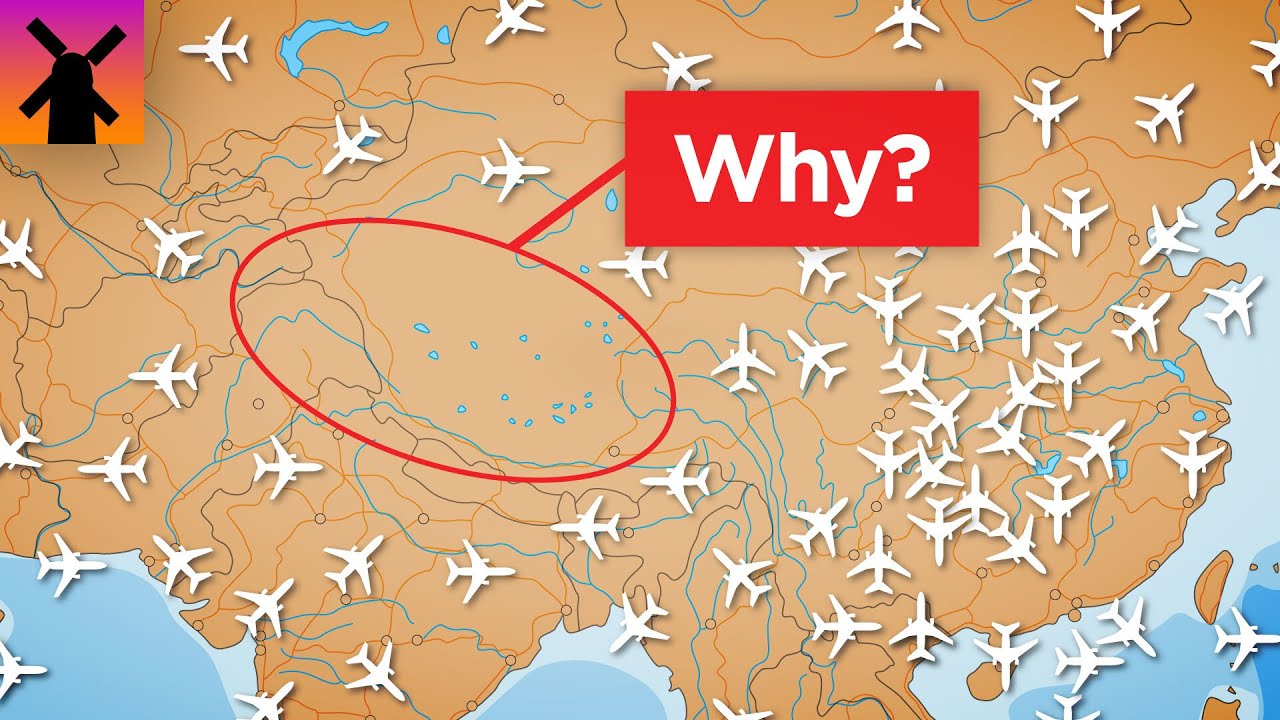
Why Planes Don't Fly Over Tibet
A video on YouTube. In Explainers, a Krater category.
Watch on YouTubeSummary by Krater
This video explores why modern commercial airliners avoid flying over the Tibetan Plateau, examining geographical, weather, and emergency-landing constraints.
From the video
Answers: Why do airplanes avoid flying over Tibet?
- aviation history
- Tibetan Plateau geography
- aircraft emergency procedures
- mountain flying hazards
- jet fuel freezing points
What it concludes
- The Tibetan Plateau's extreme average elevation of over 4,500 meters makes it the highest geographic region in the world and a major obstacle for aviation.
- During World War II, allied air crews flying supplies from India to China over the plateau suffered catastrophic losses due to severe turbulence, freezing temperatures, and lack of emergency airfields.
- Aircraft flying over 30,000 feet must descend to 10,000 feet during cabin depressurization emergencies, which is fatal over a plateau averaging 14,000 feet.
- Major international airports surrounding the Tibetan Plateau are hundreds of kilometers apart, leaving aircraft with no safe diversion points in an emergency.
- Fast winds across the plateau create severe turbulence and jet fuel can freeze when temperatures drop below -40 degrees Celsius during long flights.
Rate it, review it and add it to your lists in Krater.
Titles and thumbnails from YouTube. Krater isn't affiliated with, endorsed by or sponsored by YouTube or Google.