 Krater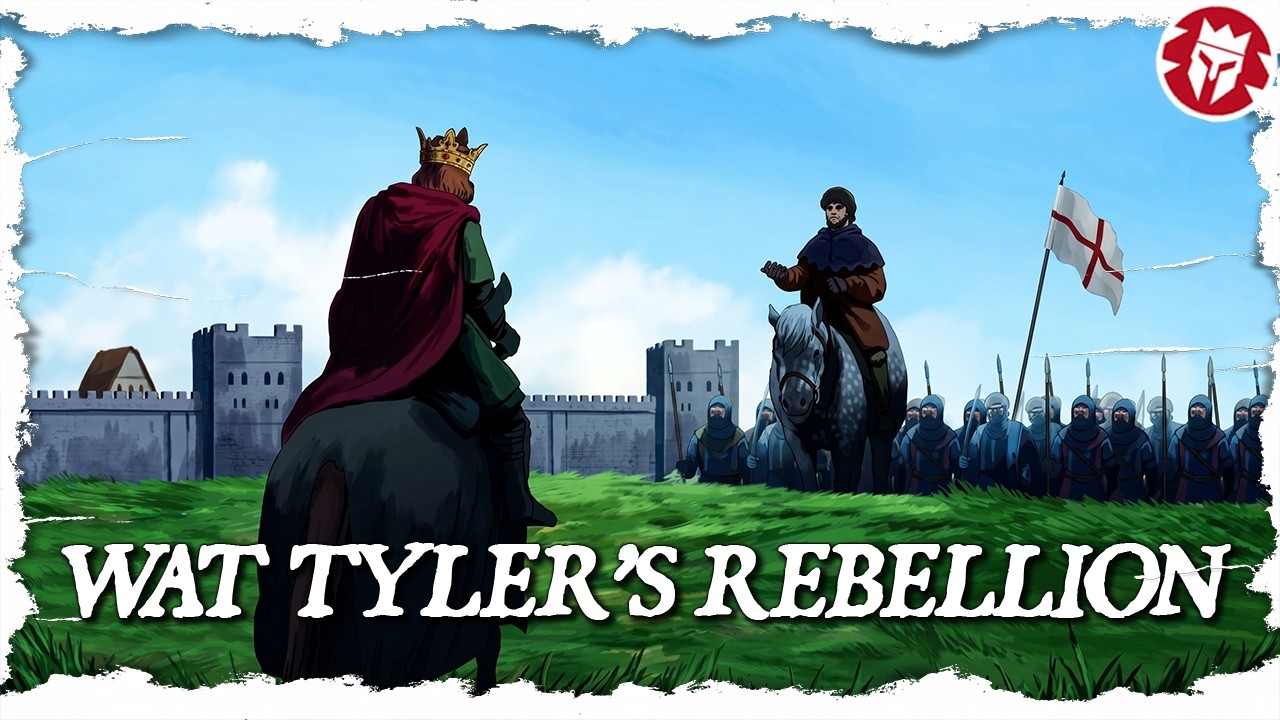
The Greatest Peasant Uprising in English History
A video on YouTube. In History, a Krater category.
Watch on YouTubeSummary by Krater
This video details the Peasants' Revolt of 1381 in England, exploring its origins in wartime taxation and serfdom, the rebel march on London led by Wat Tyler, the negotiations with King Richard II, and the violent suppression that ultimately failed to halt the end of serfdom.
From the video
Answers: What was the Peasants' Revolt of 1381 and how did it end?
- Peasants' Revolt 1381
- Wat Tyler
- King Richard II
- Poll tax in medieval England
- Statute of Labourers 1351
- Hundred Years' War economic impact
- English feudalism and serfdom
What it concludes
- The Peasants' Revolt of 1381 was the largest popular uprising in English history, triggered by oppressive taxation, the Statute of Labourers, and the economic strain of the Hundred Years' War.
- Rebels marched on London to target corrupt royal officials and elites, successfully dismantling institutions like the Savoy Palace and demanding the abolition of serfdom.
- King Richard II initially met rebel demands at Mile End by promising charters of liberties and the abolition of serfdom.
- After Wat Tyler was killed by Lord Mayor William Walworth at Smithfield, King Richard II reneged on his promises and suppressed remaining rebel leaders.
- Despite the brutal crushing of the revolt, rural wages continued to rise and serfdom ultimately vanished in England by the 15th century.
Rate it, review it and add it to your lists in Krater.
Titles and thumbnails from YouTube. Krater isn't affiliated with, endorsed by or sponsored by YouTube or Google.