 Krater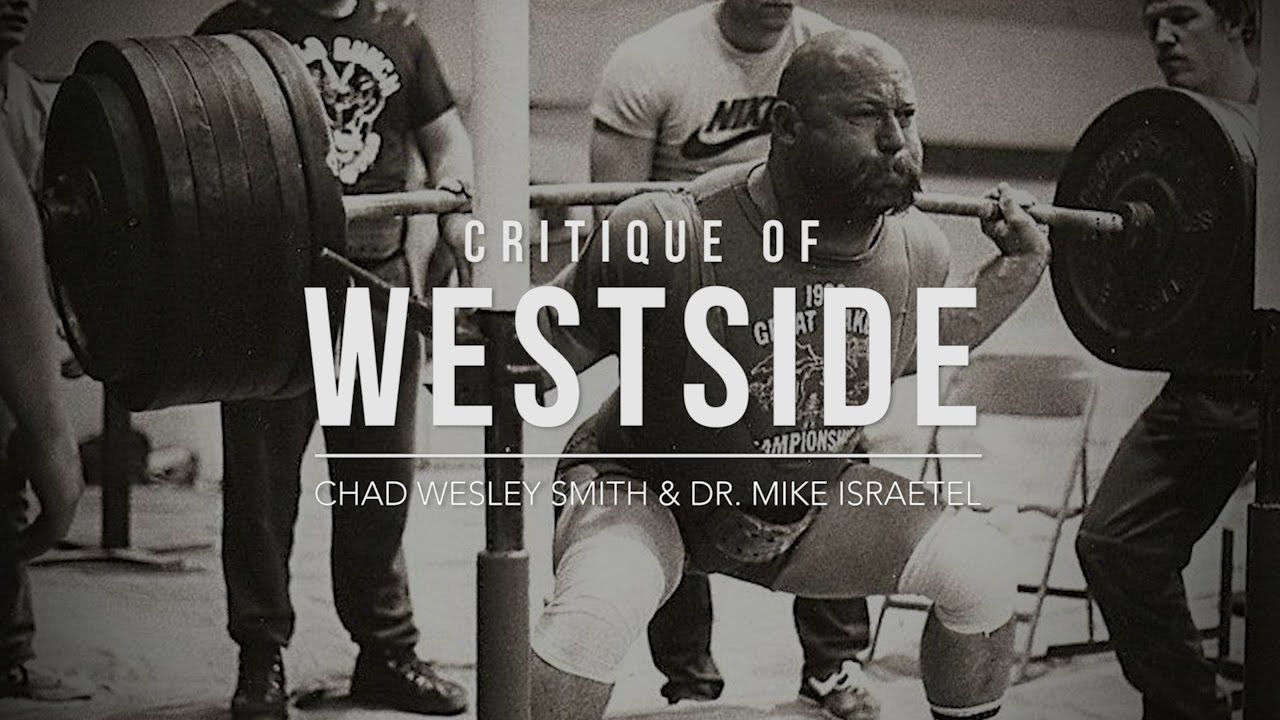
Critique of Westside with Chad Wesley Smith & Dr. Mike Israetel | JTSstrength.com
A video on YouTube. In Fitness, a Krater category.
Watch on YouTubeSummary by Krater
Chad Wesley Smith and Dr. Mike Israetel review the Westside Barbell training system through the lens of scientific training principles, evaluating its specificity, overload, fatigue management, stimulus-recovery-adaptation, phase potentiation, variation, and individual differences.
From the video
Answers: What are the pros and cons of the Westside Barbell strength training system based on scientific principles?
- Westside Barbell training system
- Scientific principles of strength training
- Specificity in powerlifting
- Overload and fatigue management
- Phase potentiation and SRA
Exercises
- squat · barbell
- bench press · barbell
- deadlift · barbell
- box squat · barbell
- board press · barbell
- rack pull · barbell
- dumbbell press · dumbbells
- band bench press · resistance bands
- sled drag · sled
What it concludes
- Westside Barbell prioritizes heavy weight and high specificity for multi-ply powerlifting, but its exercise selection often neglects raw squat and bench press muscle drivers.
- Westside programming provides high-frequency overload, but its volume is often insufficient for optimal hypertrophy in raw lifters.
- Dynamic effort training offers good stimulus recovery adaptation benefits, but its speed work and sled dragging provide limited direct transfer to raw powerlifting movements.
- Westside's high frequency of max-effort work can cause high neural fatigue and joint stress, limiting long-term adaptations for novice or intermediate lifters.
- Westside's lack of formal phase potentiation and high reliance on accommodating resistance make it a suboptimal system for peaking and long-term general strength development in raw lifters.
Rate it, review it and add it to your lists in Krater.
Titles and thumbnails from YouTube. Krater isn't affiliated with, endorsed by or sponsored by YouTube or Google.