 Krater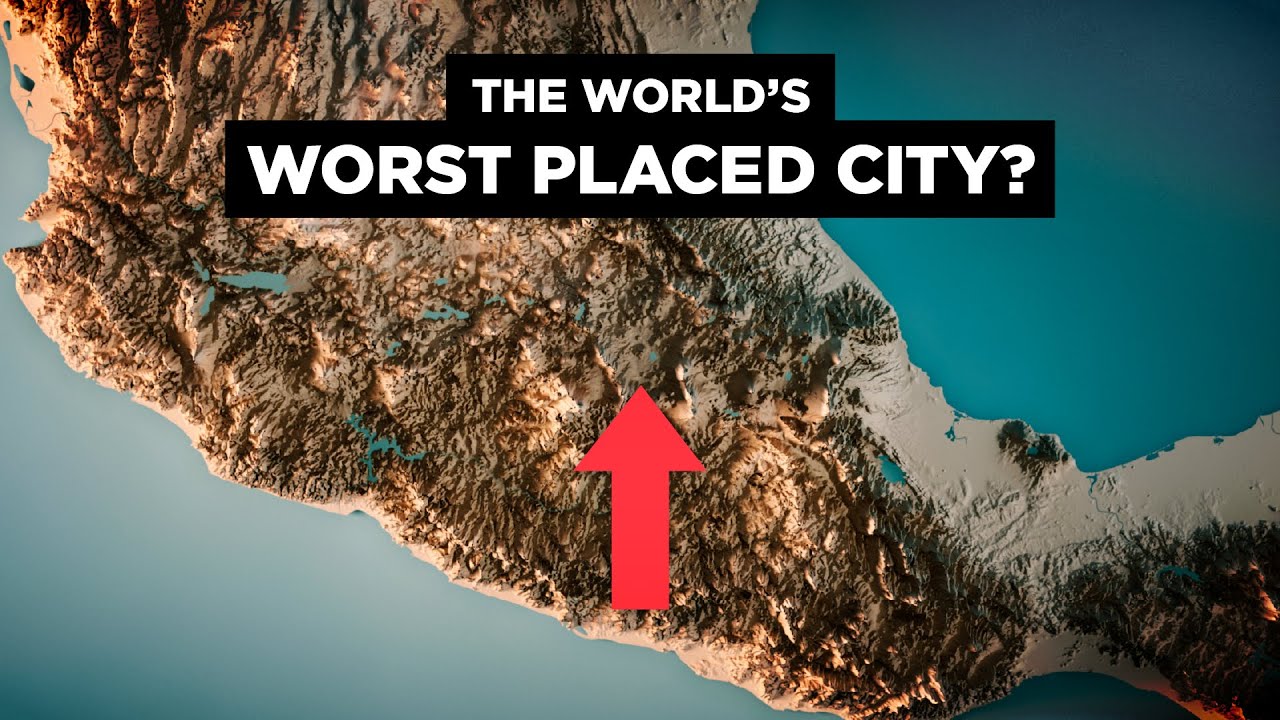
Why Mexico City's Geography SUCKS
A video on YouTube. In Explainers, a Krater category.
Watch on YouTubeSummary by Krater
This video explores the geography and history of Mexico City, detailing how its location on a former lakebed causes ongoing issues with sinking, flooding, water scarcity, and seismic vulnerability.
From the video
Answers: Why was Mexico City built in such a terrible location?
- Mexico City geography and history
- Lake Texcoco lakebed and Aztec settlement
- Urban sinking and soil compaction
- Water scarcity and groundwater extraction
- Seismic amplification and earthquake vulnerability
- Air pollution and pollution trapping
What it concludes
- Mexico City is sinking into the ground at a rate of half a meter every year, with parts sinking over 30 meters.
- The Spanish conquest and subsequent rebuilding destroyed Aztec dams and replaced canals with concrete, causing severe flooding and water scarcity.
- Groundwater extraction weakens the soft clay lakebed, causing the city to sink further and preventing rainwater from replenishing aquifers.
- Mexico City's location on a silty clay lakebed amplifies seismic activity during earthquakes, causing catastrophic damage to buildings.
- Air pollution remains a leading cause of death in Mexico City due to high altitude, trapped exhaust from millions of vehicles, and surrounding mountains.
Rate it, review it and add it to your lists in Krater.
Titles and thumbnails from YouTube. Krater isn't affiliated with, endorsed by or sponsored by YouTube or Google.