 Krater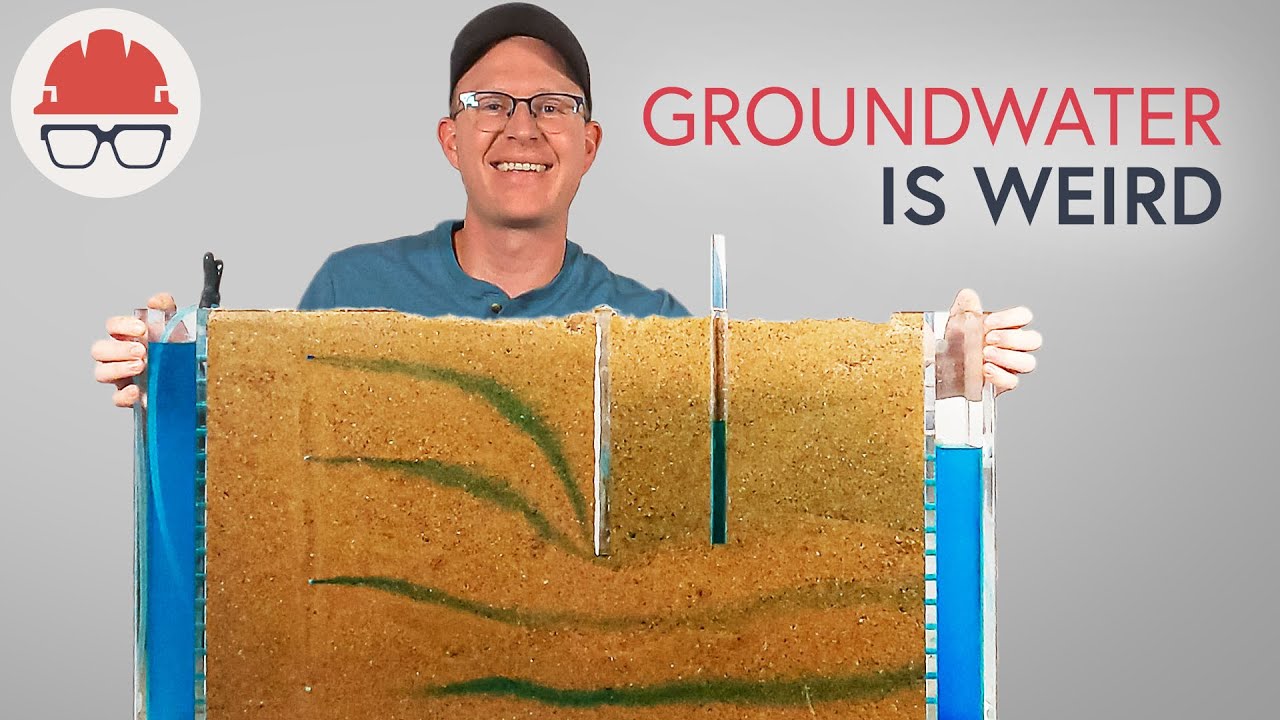
The Bizarre Paths of Groundwater Around Structures
A video on YouTube. In Science & Engineering, a Krater category.
Watch on YouTubeSummary by Krater
An explanation of how groundwater flow affects civil engineering structures like dams and caissons, demonstrating uplift pressure, piping, and mitigation strategies such as cut-off walls and drains using an acrylic physical model.
From the video
Answers: How does groundwater affect civil engineering structures like dams?
- groundwater flow
- uplift pressure on dams
- piping and internal erosion
- cut-off walls in geotechnical engineering
- drains and well points
- flow nets and Darcy's law
What it concludes
- Groundwater seeping below a dam can erode soil particles away in a phenomenon called piping, creating a positive feedback loop of structural failure.
- Water in a reservoir applies hydrostatic force to the upstream face of a dam, which can cause the dam to slide downstream or overturn if not designed properly.
- Groundwater applies uplift pressure at the base of a dam, counteracting its weight and reducing structural stability.
- Cut-off walls reduce the volume of flow and pressure beneath a dam by increasing the length of the flow path water must take.
- Drains filter seepage using sand and gravel while removing water to relieve uplift pressure on the base of a structure.
Rate it, review it and add it to your lists in Krater.
Titles and thumbnails from YouTube. Krater isn't affiliated with, endorsed by or sponsored by YouTube or Google.