 Krater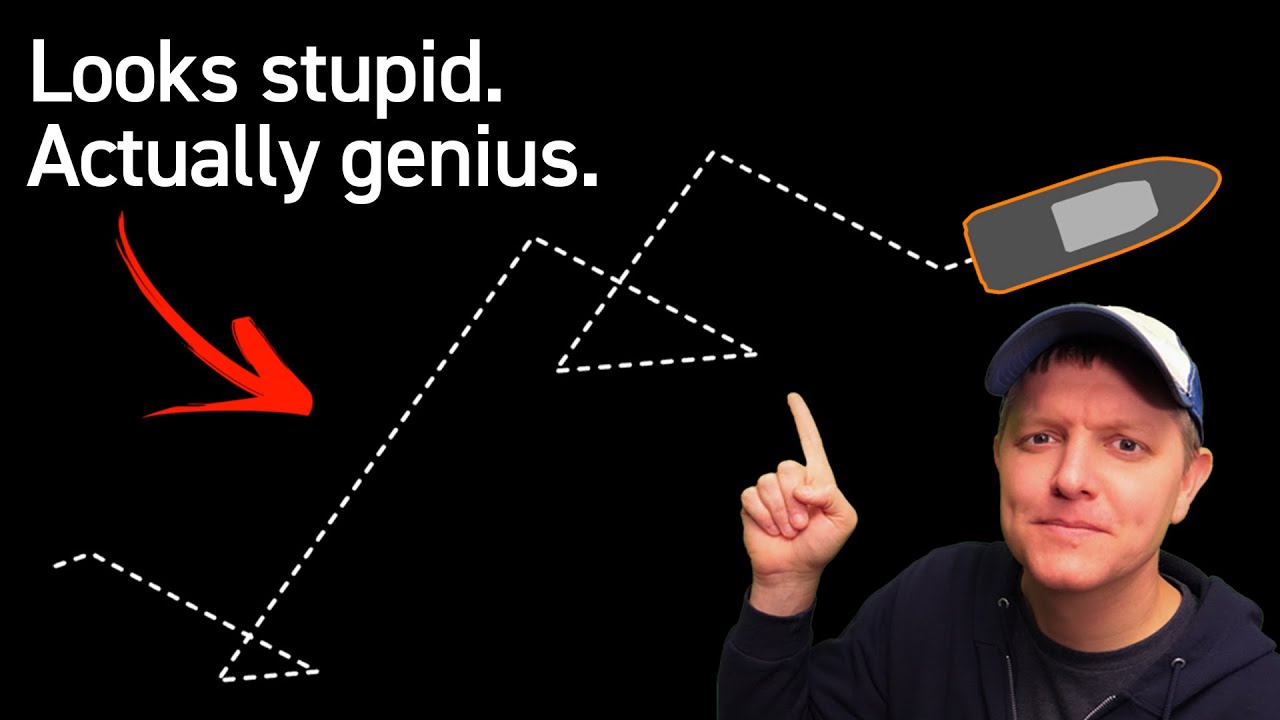
Why This Zig-Zag Coast Guard Search Pattern is Actually Genius - Smarter Every Day 268
A video on YouTube. In Science & Engineering, a Krater category.
Watch on YouTubeSummary by Krater
The US Coast Guard search and rescue operations rely on math and science, particularly using a Victor Sierra search pattern with a floating datum to account for water drift. The host visits a Coast Guard station to learn how responders calculate and execute search patterns in the open ocean.
From the video
Answers: How does the US Coast Guard search for people in the ocean?
- US Coast Guard search and rescue
- Victor Sierra search pattern
- Nomograph navigation tool
- Datum and sea drift calculation
- Response boat medium search tactics
What it concludes
- Water moves and changes flow direction over time, causing lost objects and people to drift away from their original location.
- The Victor Sierra search pattern uses equilateral triangles arranged in a circle to methodically cut up a search area while moving with the drifting water.
- A floating datum is deployed into the water by the Coast Guard to establish the correct set and drift for search patterns.
- Search patterns calculated at sector commands often require adjustments based on real-world conditions encountered in the water.
Rate it, review it and add it to your lists in Krater.
Titles and thumbnails from YouTube. Krater isn't affiliated with, endorsed by or sponsored by YouTube or Google.