 Krater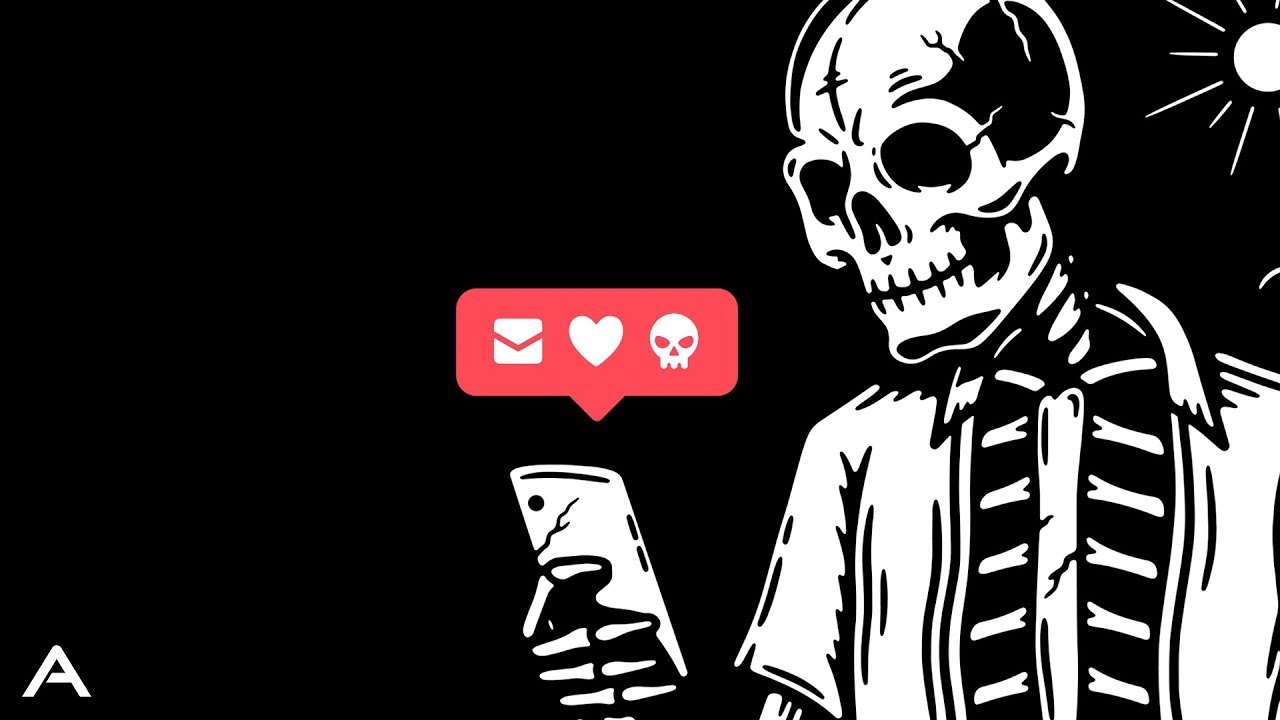
Overstimulation is Ruining Your Life
A video on YouTube. In Self-Improvement, a Krater category.
Watch on YouTubeSummary by Krater
The video explores the psychological value of boredom, contrasting historical figures like Sir Isaac Newton and Albert Einstein who used isolation and free time for breakthrough discoveries with modern reliance on smartphones and constant digital stimulation. It concludes that allowing the mind to wander and embracing boredom is essential for creativity and problem-solving, and introduces Incogni as a tool to protect personal data from data brokers.
From the video
Answers: Why is boredom good for your brain and creativity?
- psychology of boredom
- history of science and discovery
- smartphone addiction and digital distractions
- default mode network in the brain
- data brokers and online privacy
What it concludes
- About 50% of study volunteers did not like being alone with their thoughts for 6 to 15 minutes without external stimulation.
- When given the option, 67% of men and 25% of women chose to voluntarily inflict electric shocks on themselves rather than sit and do nothing.
- On average, Americans reach for their phones 344 times a day and spend 2 hours and 54 minutes on them each day, with some clocking up to 10 hours daily.
- Participants who reported more frequent daydreaming scored higher on intellectual and creative ability and had more efficient brain systems recorded on MRI scans.
- Constant smartphone use and digital stimulation reduce the time available for the brain to enter default mode, which is necessary for creative thinking and problem-solving.
Rate it, review it and add it to your lists in Krater.
Titles and thumbnails from YouTube. Krater isn't affiliated with, endorsed by or sponsored by YouTube or Google.