 Krater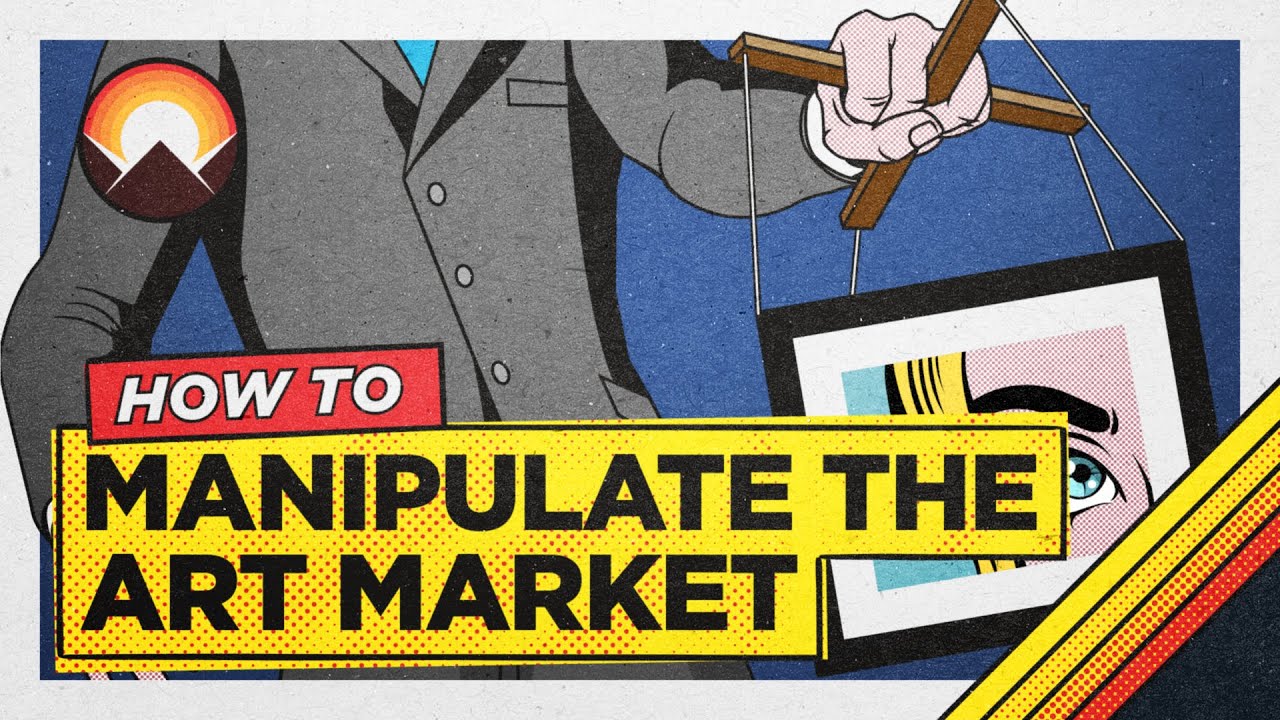
The Art Market is a Scam (And Rich People Run It)
A video on YouTube. In Explainers, a Krater category.
Watch on YouTubeSummary by Krater
An exploration of the art market, explaining how high-value artwork sales are concentrated among a small number of elite dealers and auction houses, why prices are largely subjective and prone to manipulation, and how wealthy collectors exploit tax loopholes through strategic art donations.
From the video
Answers: Why is the art market so expensive and how do elite collectors manipulate it?
- art market economics
- auction houses
- art valuation
- tax benefits of art donation
- market manipulation in fine art
What it concludes
- The global art market is extremely small, highly concentrated geographically and among top galleries, and lacking transparency.
- Auction houses like Christie's and Sotheby's handle the majority of high-end art sales and use aggressive financial incentives and guarantees to secure valuable works.
- Art has no intrinsic value; its price is entirely determined by subjective perception, gatekeepers, and the prices other people are willing to pay.
- Wealthy collectors and dealers can artificially inflate the market value of an artist's entire body of work by publicly purchasing individual pieces at high prices.
- Donating overvalued art to non-profit museums allows wealthy individuals to claim large tax deductions, enabling systemic tax avoidance.
Rate it, review it and add it to your lists in Krater.
Titles and thumbnails from YouTube. Krater isn't affiliated with, endorsed by or sponsored by YouTube or Google.