 Krater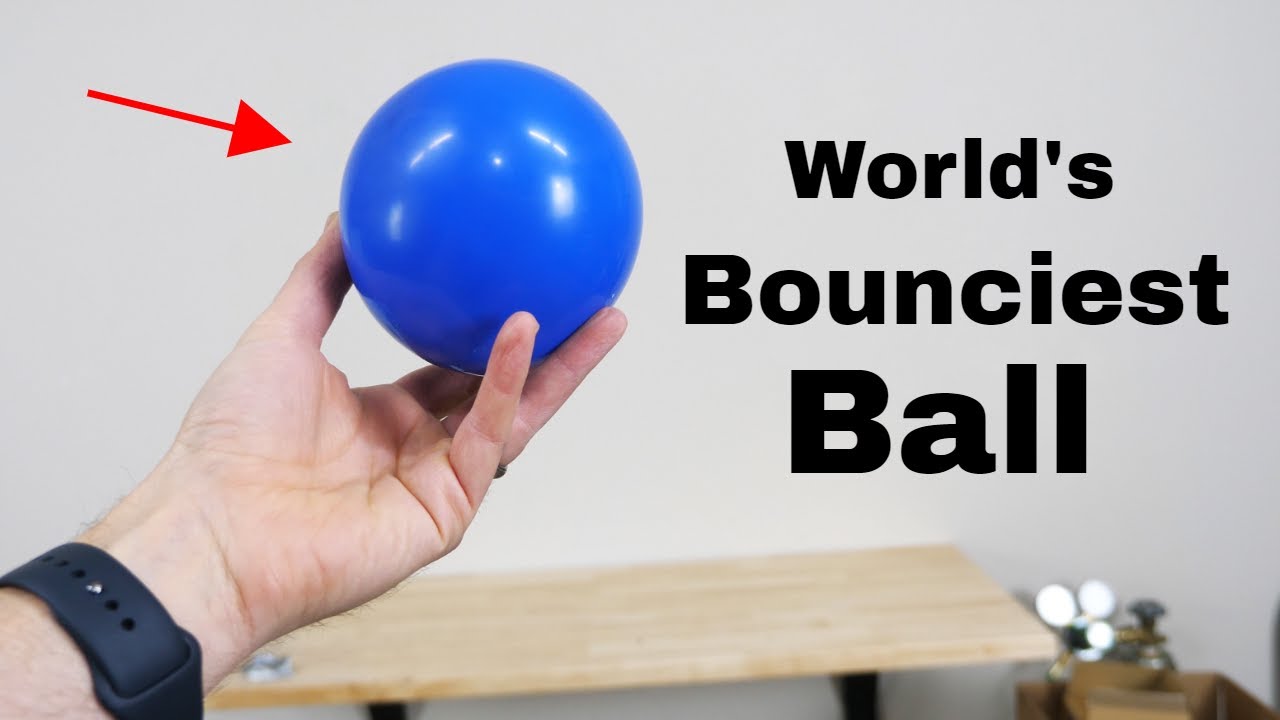
A Ball That Bounces Higher Than Its Drop Height
A video on YouTube. In Science & Engineering, a Krater category.
Watch on YouTubeSummary by Krater
This video explains how a modified ball with an internal hollow half-sphere can bounce higher than the drop height by converting stored elastic deformation energy into kinetic energy. It draws parallels between this mechanical energy storage and chemical or nuclear energy conservation.
From the video
Answers: How can a ball bounce higher than the height it was dropped from?
- coefficient of restitution
- elastic deformation
- conservation of energy
- chemical bond energy
- thermodynamics
What it concludes
- In real life materials, energy is always lost as heat, sound, and plastic deformation during a collision, meaning a normal ball's bounce height cannot exceed its drop height.
- A ball's bounce height depends on its coefficient of restitution.
- A bouncing ball can never have a coefficient of restitution greater than one without gaining external energy.
- A special ball containing an inverted hollow half-sphere stores elastic energy in the rubber bonds, allowing it to bounce higher than the drop height.
- Stored energy in chemical bonds and nuclear systems can always be traced back to original separation work done in the past, satisfying the laws of thermodynamics.
Rate it, review it and add it to your lists in Krater.
Titles and thumbnails from YouTube. Krater isn't affiliated with, endorsed by or sponsored by YouTube or Google.