 Krater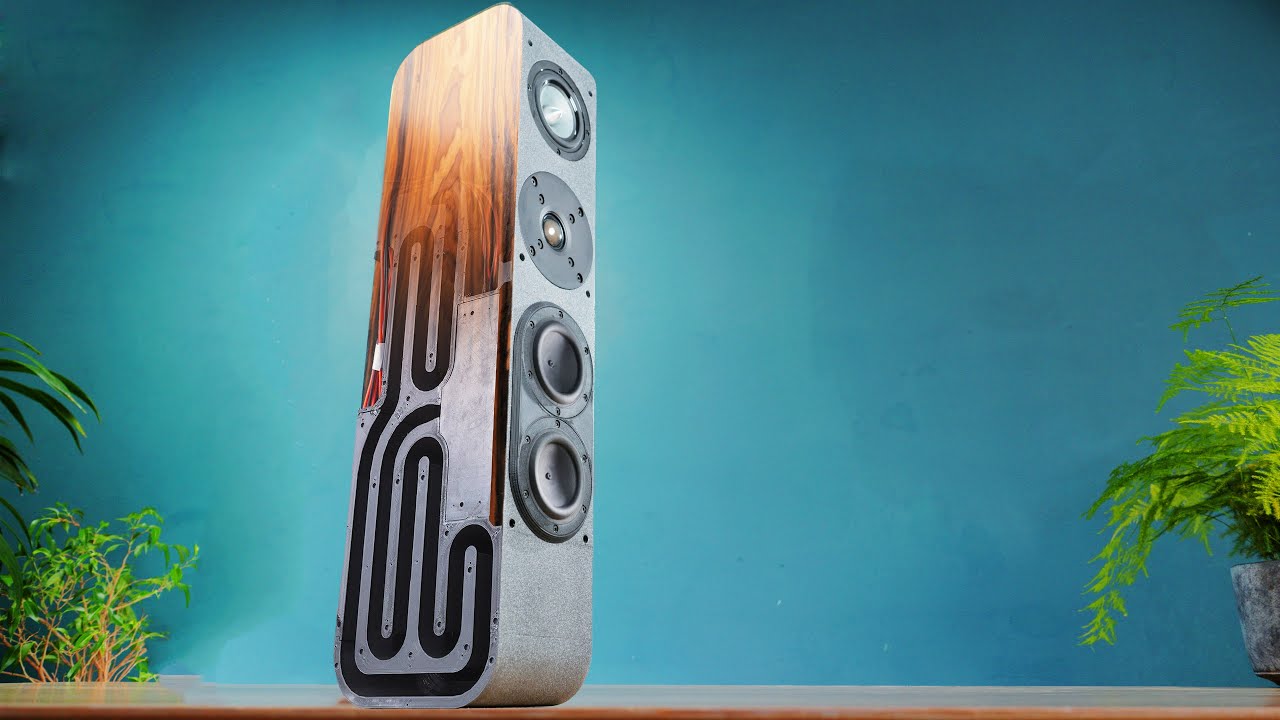
Building EXCEPTIONAL speakers using MODERN TECHNIQUES
A video on YouTube. In Maker & Builds, a Krater category.
Watch on YouTubeSummary by Krater
The creator demonstrates how to design and build high-performance 3D-printed hifi speakers using hollow-forming techniques, acoustic damping materials, a Tang Band W3-1364SA driver, an ADAU1701 DSP, and a TDA7850 amplifier, achieving professional sound quality that rivals high-end bookshelf units.
From the video
Answers: How do you build high-end 3D-printed hifi speakers?
- 3D printed speaker enclosure design
- acoustic damping materials
- subwoofer horn resp design
- ADAU1701 DSP configuration
- speaker finishing and wood veneer application
What it concludes
- Printing a hollow shell and using it as a form mold for plaster of Paris significantly speeds up print times while reducing acoustic vibration resonance.
- Adding PVA glue during the mixing process of plaster of Paris creates a microscopic level of flexibility, reducing its brittle nature.
- A long subwoofer tube delays audibility of rear sound waves just enough for them to become additive rather than subtractive to the driver's forward sound waves.
- Adding soft automotive acoustic pants, a cotton towel, and sheep's wool effectively stops sound waves from being reflected back.
- Dividing the speaker body into smaller individual 3D-printed parts reduces the likelihood of printing failure from parts popping off the build plate.
- The 3D-printed hifi speakers achieve a flat frequency response down to 35Hz and rival the audio quality of expensive high-end bookshelf speakers.
Rate it, review it and add it to your lists in Krater.
Titles and thumbnails from YouTube. Krater isn't affiliated with, endorsed by or sponsored by YouTube or Google.