 Krater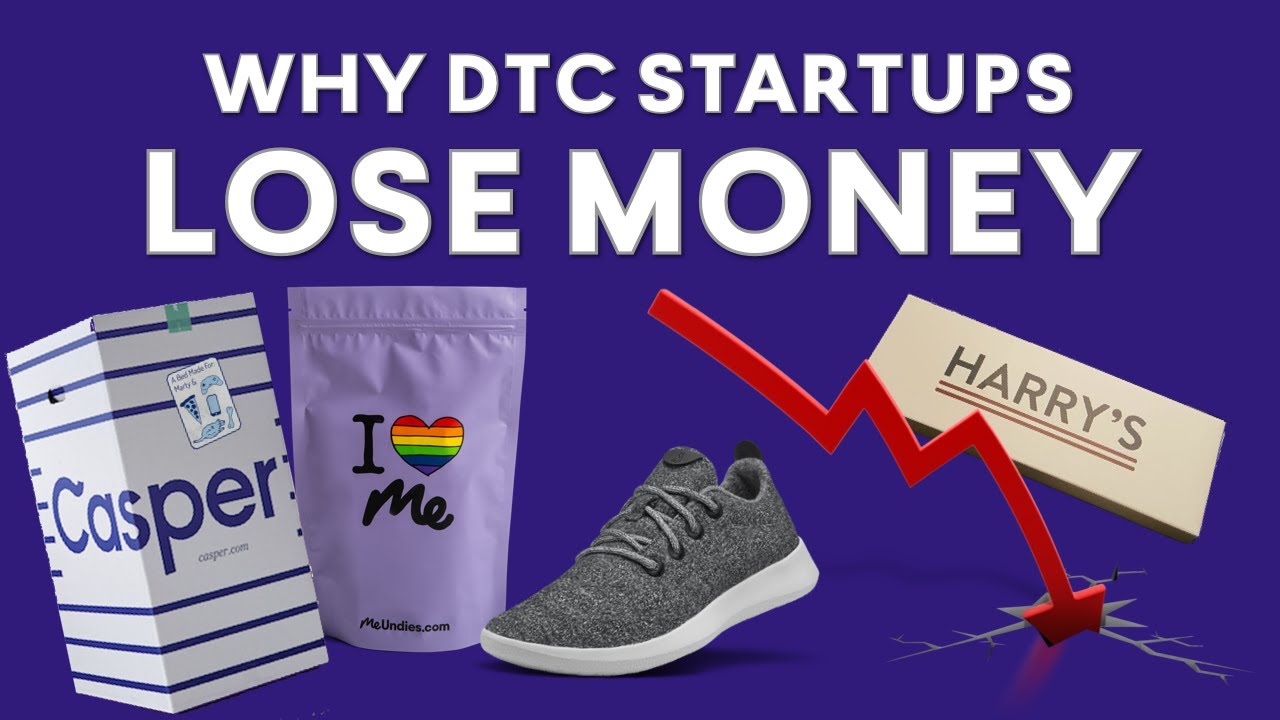
How Casper Failed & Why DTC Startups Lose Money
A video on YouTube. In Business & Money, a Krater category.
Watch on YouTubeSummary by Krater
An explainer examining the rise and fall of mattress startup Casper, analyzing how its heavy reliance on digital advertising and the direct-to-consumer business model led to persistent unprofitability and a troubled public offering.
From the video
Answers: Why did Casper fail and why do direct-to-consumer startups lose money?
- direct-to-consumer business model
- venture capital funding
- customer acquisition cost
- mattress industry trends
- online advertising costs
- retail expansion strategy
What it concludes
- Casper's direct-to-consumer business model relied heavily on high customer acquisition costs through digital advertising, eroding profits despite strong top-line sales.
- The 100-day return policy resulted in high return rates of roughly two out of every ten mattresses sold.
- Retail partnerships and brick-and-mortar storefronts ultimately proved more profitable than pure e-commerce channels, with higher average order values.
- Saturation and rising costs across online advertising platforms made the direct-to-consumer model unsustainable for mattress startups.
Rate it, review it and add it to your lists in Krater.
Titles and thumbnails from YouTube. Krater isn't affiliated with, endorsed by or sponsored by YouTube or Google.