 Krater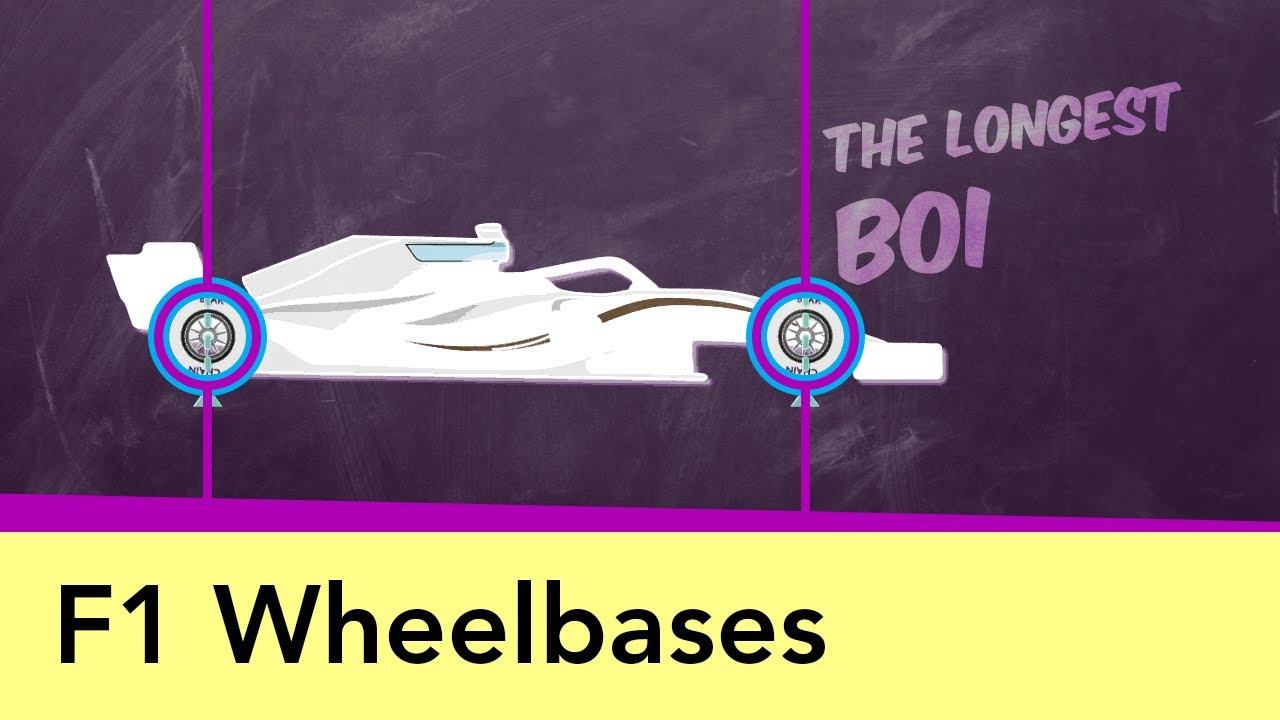
F1 Wheelbases | Merc go long, Red Bull go short
A video on YouTube. In Sports, a Krater category.
Watch on YouTubeSummary by Krater
This video examines how Formula 1 car wheelbases affect handling, aerodynamics, and cornering performance. It concludes that while longer wheelbases offer aerodynamic and high-speed stability benefits, shorter wheelbases are more agile in slow corners, and shorter regulations for 2022 represent a step toward better packaging.
From the video
Answers: How does an F1 car's wheelbase length affect its cornering, aerodynamics, and overall performance?
- F1 wheelbase length differences
- Mercedes vs Red Bull F1 wheelbase
- Aerodynamic advantages of long wheelbase cars
- Moment of inertia in F1 car cornering
- Understeer and oversteer in F1 cars
What it concludes
- Longer Formula 1 cars provide more space and surface area for aerodynamic devices like diffusers, improving downforce.
- Longer wheelbases give F1 cars more stability and downforce in fast and medium-speed corners.
- Shorter wheelbases make cars more nimble, allowing them to attack slow and tight corners better than longer cars.
- Longer cars have a larger moment of inertia, making them harder to rotate and more prone to understeer or sliding at the rear.
- Mercedes suffered from understeer issues in 2020 due to its long wheelbase, which Hamilton described as having a less positive front end.
- The 2022 F1 regulations introduce a shorter wheelbase restriction of 3600 millimetres to improve packaging and safety structures.
Rate it, review it and add it to your lists in Krater.
Titles and thumbnails from YouTube. Krater isn't affiliated with, endorsed by or sponsored by YouTube or Google.