 Krater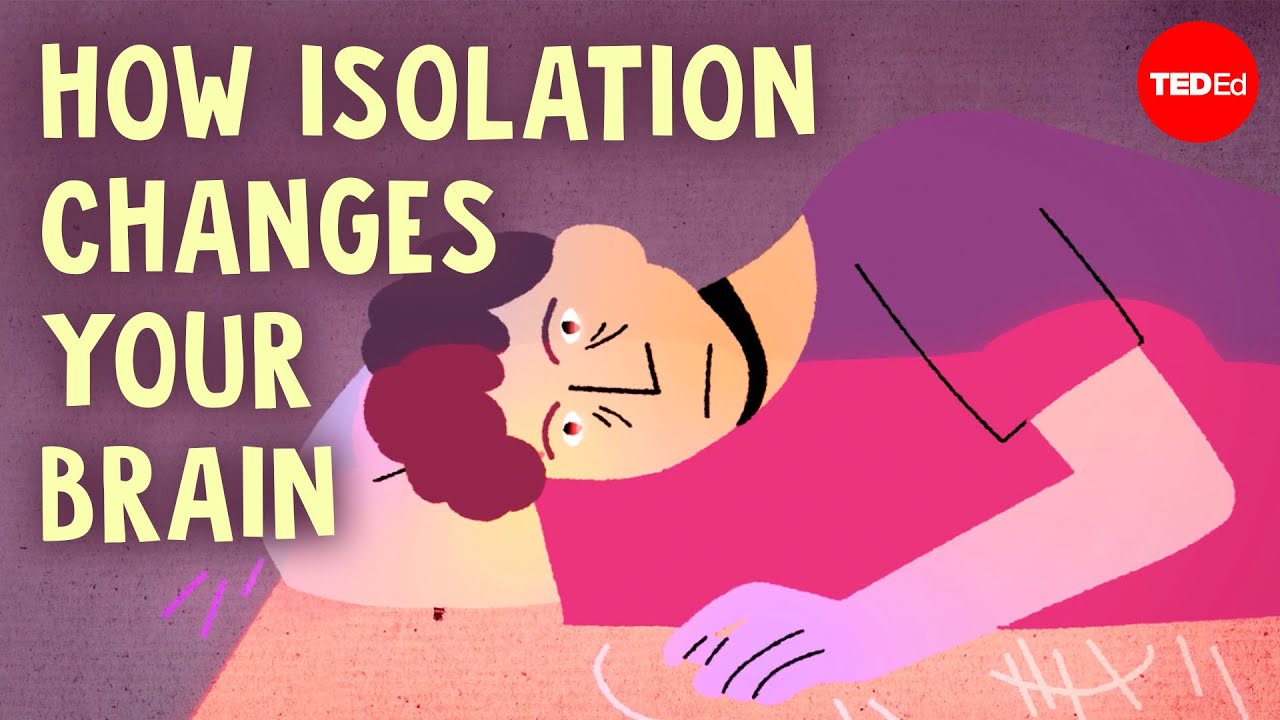
What happens to your brain without any social contact? - Terry Kupers
A video on YouTube. In Explainers, a Krater category.
Watch on YouTubeSummary by Krater
This video examines the psychological and physical impacts of prolonged social isolation and solitary confinement, exploring the biological changes in the brain and contrasting the heavy use of solitary confinement in U.S. prisons with more humane approaches in countries like Norway.
From the video
Answers: What does solitary confinement do to the human brain and body?
- effects of solitary confinement on the brain
- social reality testing
- PTSD from isolation
- U.S. prison solitary confinement statistics
- penitentiary history
- Norway prison system rehabilitation
What it concludes
- Prolonged solitary confinement causes severe psychological and physical damage, including limbic system hyperactivity and shrinking of the prefrontal cortex.
- People who have experienced solitary confinement are three times more likely to exhibit signs of post-traumatic stress disorder and struggle with reintegration.
- Countries like Norway that focus on humane prison conditions and lower prisoner counts see significantly lower recidivism rates compared to the U.S.
Rate it, review it and add it to your lists in Krater.
Titles and thumbnails from YouTube. Krater isn't affiliated with, endorsed by or sponsored by YouTube or Google.