 Krater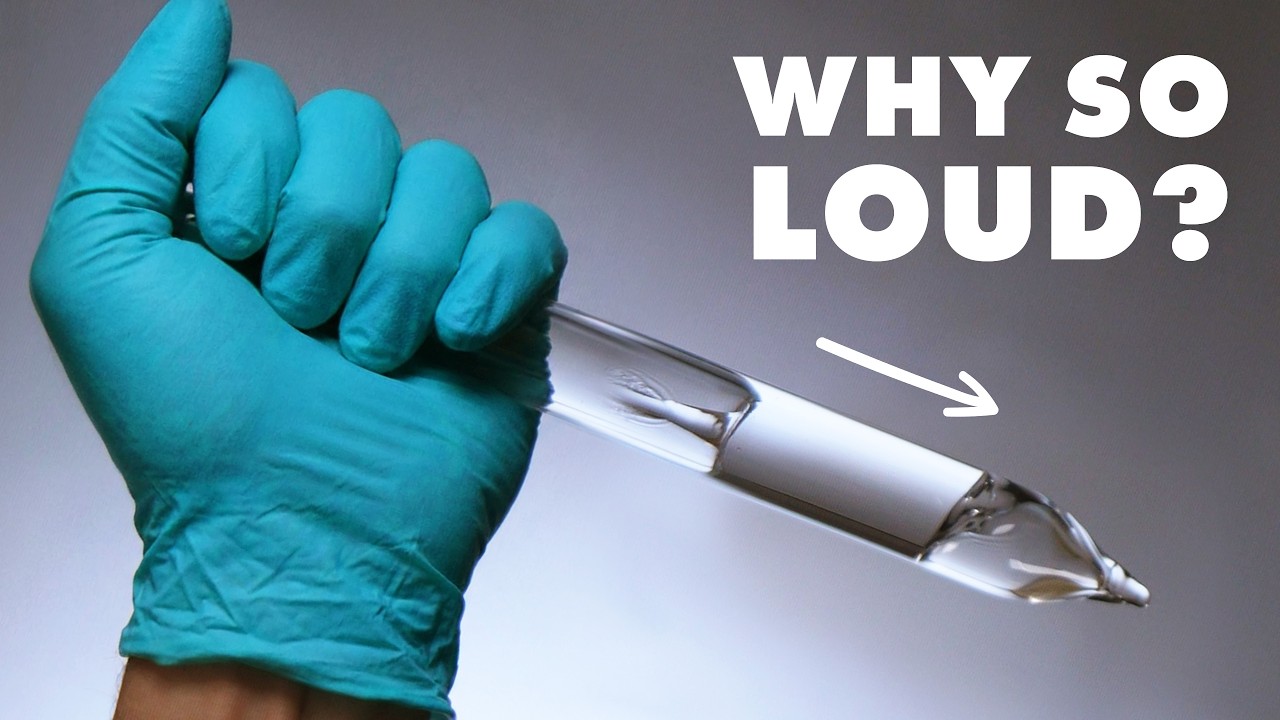
The Liquid Hammer Toy You Can't Buy
A video on YouTube. In Science & Engineering, a Krater category.
Watch on YouTubeSummary by Krater
Steve Mould explains the physics behind water hammer, cavitation bubbles in collapsing water columns, and how piezoelectric speakers generate sound ripples and mist. He explores why glass test tubes and water bottles can crack when dropped or tapped, and demonstrates how ultrasonic misters use acoustic cavitation and focal wave energy to produce fine mist.
From the video
Answers: What causes the water hammer effect and how do cavitation bubbles work?
- water hammer effect
- cavitation bubbles
- ultrasonic mist makers
- piezoelectric speakers
- Bremstrahlung radiation
- full-spectrum cameras
- water drop sizing
- plumbing pipe noises
What it concludes
- Water hammer occurs because water is incompressible, causing a sharp impact sound when forced to a sudden stop.
- Cavitation bubbles in water tubes rebound briefly after the first impact before collapsing.
- The maximum size of a raindrop is about 8 mm because surface tension holds it together against air resistance.
- Ultrasonic misters focus sound energy into a small point using cavitation bubbles to launch tiny droplets into a mist.
Rate it, review it and add it to your lists in Krater.
Titles and thumbnails from YouTube. Krater isn't affiliated with, endorsed by or sponsored by YouTube or Google.