 Krater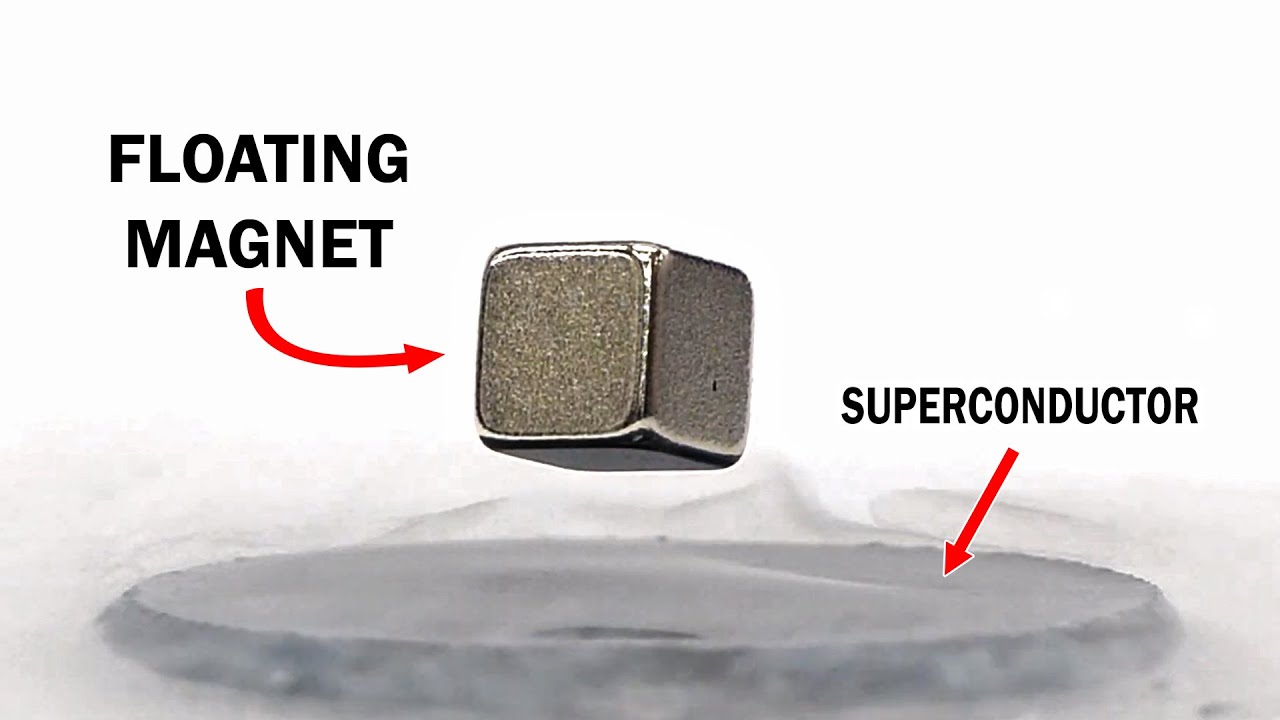
Making superconductors
A video on YouTube. In Science & Engineering, a Krater category.
Watch on YouTubeSummary by Krater
The creator attempts to make YBCO, a high-temperature superconductor, from scratch using a citrate pyrolysis method, detailing the chemical preparation, furnace heating steps, and testing for superconductivity with liquid nitrogen and a magnet.
From the video
Answers: How do you make a YBCO superconductor at home?
- synthesizing YBCO superconductor
- citrate pyrolysis method
- furnace sintering of ceramic powders
- flux pinning and Meissner effect demonstration
- troubleshooting chemical purity and equipment errors
Ingredients
- 11.29 g yttrium oxide
- 100 ml nitric acid
- 126 g citric acid
- 72.48 g copper nitrate
- 52.27 g barium nitrate
- 38.3 g yttrium nitrate
- ammonium hydroxide
What it concludes
- YBCO superconductors can be synthesized using a citrate pyrolysis method starting from metal nitrates and citric acid.
- Baking the YBCO precursor powder in a tube furnace with pure oxygen flow at high temperatures is necessary to form the superconducting crystalline structure.
- Proper oxygenation and complete burnout of carbon and organic residues during sintering are critical for achieving superconductivity.
- Flux pinning in YBCO pellets allows them to hold and move small magnets while levitating in liquid nitrogen.
Rate it, review it and add it to your lists in Krater.
Titles and thumbnails from YouTube. Krater isn't affiliated with, endorsed by or sponsored by YouTube or Google.