 Krater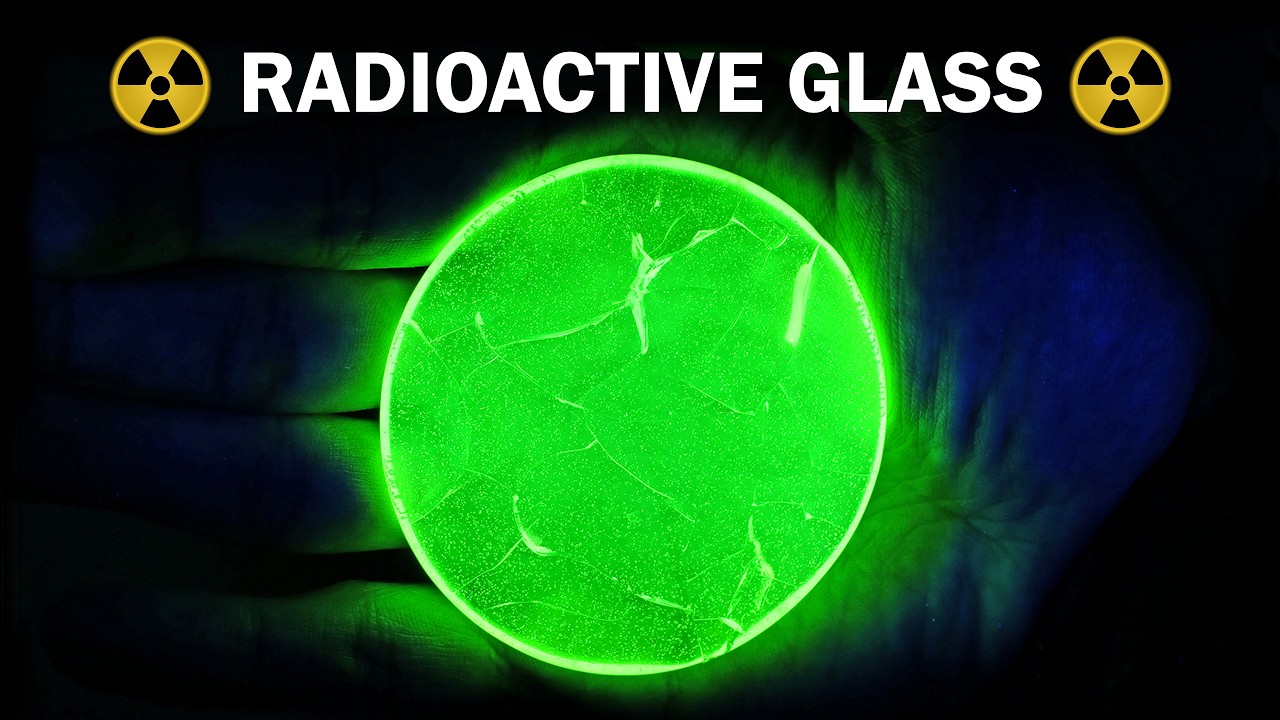
Making uranium glass
A video on YouTube. In Science & Engineering, a Krater category.
Watch on YouTubeSummary by Krater
The creator attempts to make green uranium glass from scratch by dissolving uranyl nitrate, converting it into sodium diuranate, mixing it with silica, soda ash, and boric acid, and melting it in a furnace to produce glowing glass beads.
From the video
Answers: How do you make uranium glass from scratch?
- Uranium glass chemistry
- Uranium glass making
- Uranyl nitrate to sodium diuranate conversion
- Radiation detection with Geiger counter
- Glass melting in tabletop furnace
- Annealing glass to prevent thermal stress
- UV fluorescence of uranium glass
What it concludes
- Uranium glass fluoresces brightly under UV light due to trace amounts of uranium.
- Sodium diuranate is insoluble in water, allowing it to precipitate out of the uranyl nitrate solution when mixed with sodium hydroxide.
- Adding silica, soda ash, and boric acid creates a low-melting-point borosilicate glass mixture suitable for glass making.
- Rapid cooling of uranium glass causes high internal stress, making it prone to spontaneous shattering.
- Annealing uranium glass at around 450 C for several hours relieves internal stress and prevents cracking.
- A Geiger counter with a larger sensor area and alpha-particle detection capability records significantly higher CPM readings from uranium glass.
Rate it, review it and add it to your lists in Krater.
Titles and thumbnails from YouTube. Krater isn't affiliated with, endorsed by or sponsored by YouTube or Google.