 Krater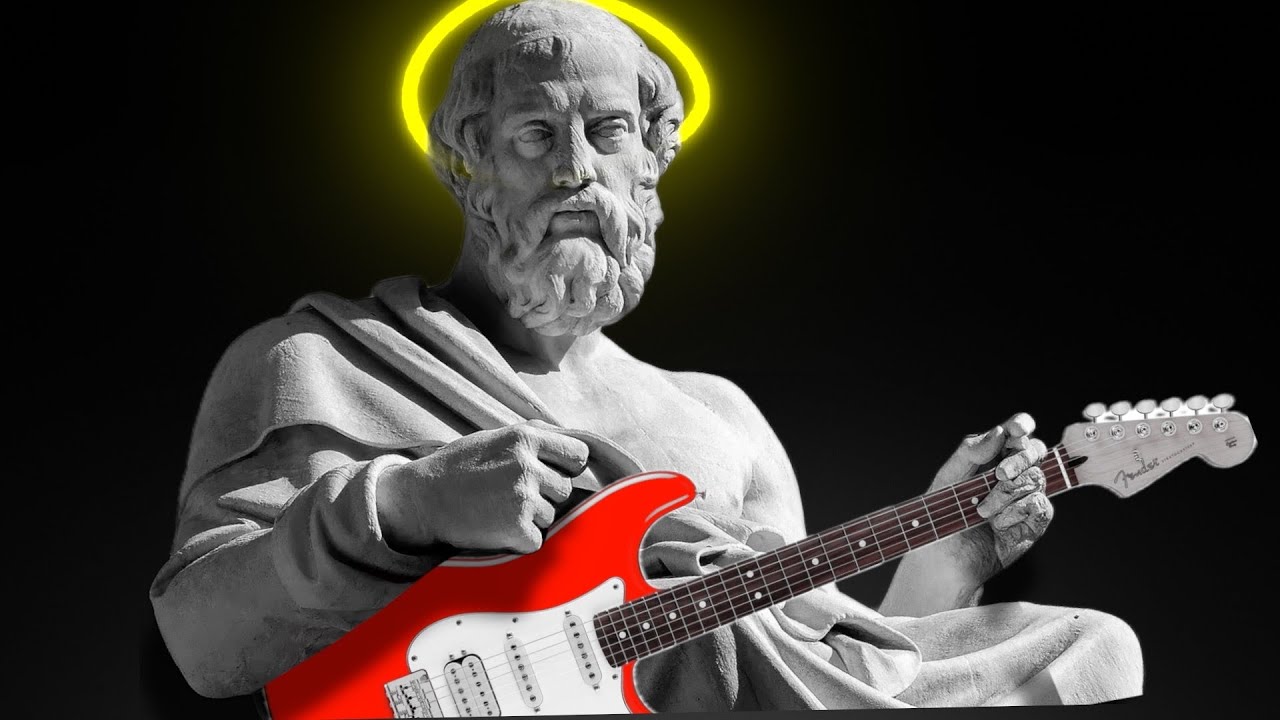
The Ethics of Fake Guitar
A video on YouTube. In Music Lessons, a Krater category.
Watch on YouTubeSummary by Krater
Adam Neely explores why musicians and creators fake their performances on social media, using historical context and interviews with philosopher Dr. Mariana Noé to analyze the ethics and genre norms surrounding fake guitar and drum videos.
From the video
Answers: Why do musicians fake performances on social media and is it really that bad?
- faked musical performances
- acousmatic interpretation of music
- music genre norms and ethics
- history of ghost singing in Hollywood
- social media performance authenticity
What it concludes
- Faking performances has a long history in popular media, dating back to Hollywood's golden age ghost singers.
- Audiences generally do not care about polished or faked live audio as long as the performance sounds and feels good.
- Faking musical performances provides unfair advantages in clout and monetization over honest musicians.
- Faking performances is a form of false advertising that sets unrealistic standards for young musicians.
- Different music genre communities have distinct spectra of permissibility regarding editing, sampling, and ghostwriting.
- Jaco Pastorius did not write out his solos ahead of time, contrary to claims made by Adam Neely.
Rate it, review it and add it to your lists in Krater.
Titles and thumbnails from YouTube. Krater isn't affiliated with, endorsed by or sponsored by YouTube or Google.