 Krater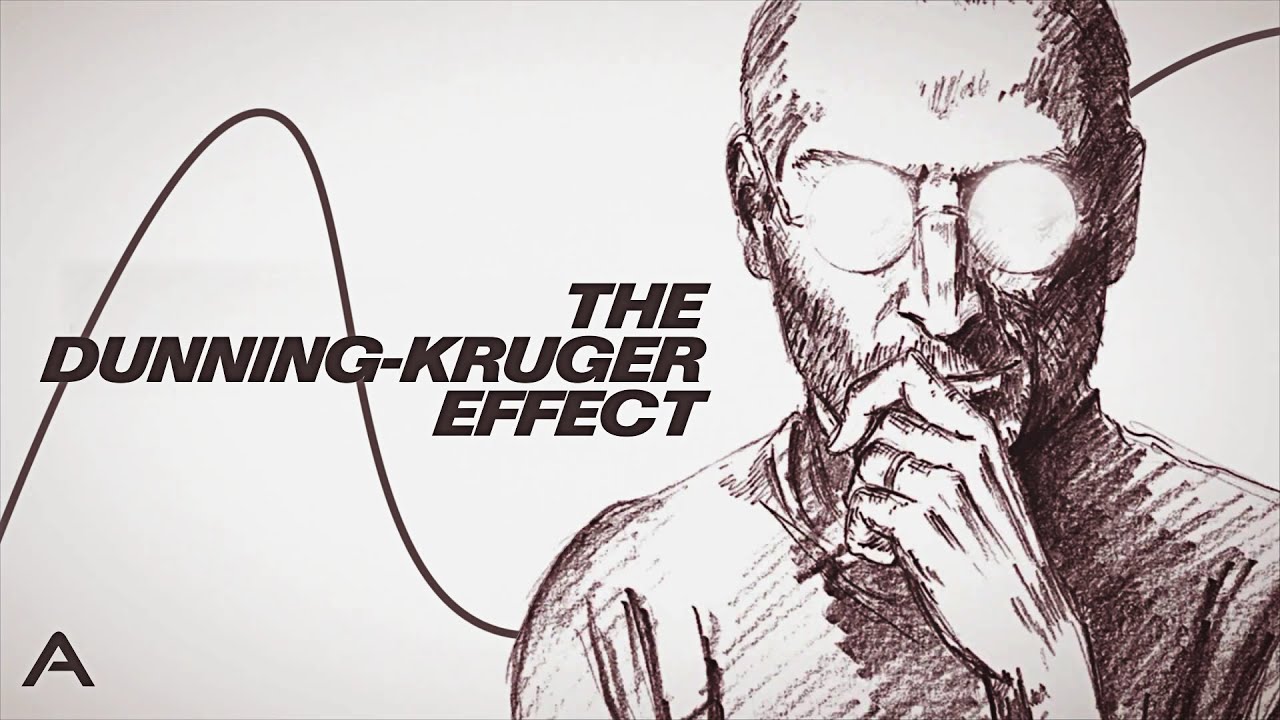
The Dunning-Kruger Effect
A video on YouTube. In Self-Improvement, a Krater category.
Watch on YouTubeSummary by Krater
This video explains the Dunning-Kruger effect, a cognitive bias where people with low ability or knowledge in a domain overestimate their competence, and discusses its psychological implications and real-world examples.
From the video
Answers: What is the Dunning-Kruger effect and how does it affect our self-assessment?
- Dunning-Kruger effect
- Metacognition and self-assessment
- Cognitive biases
- Overestimation of competence
- Unskilled and unaware phenomenon
What it concludes
- People who know very little about a subject tend to overestimate how much they know because they lack the metacognitive ability to recognize their own incompetence.
- People who score the lowest on tests are often the most confident going into tests and overestimate their performance afterwards.
- Professors and engineers frequently overestimate their performance relative to their peers, exhibiting the Dunning-Kruger effect.
- Recognizing our own cognitive biases and being open to feedback helps us avoid the pitfalls of the Dunning-Kruger effect.
Rate it, review it and add it to your lists in Krater.
Titles and thumbnails from YouTube. Krater isn't affiliated with, endorsed by or sponsored by YouTube or Google.