 Krater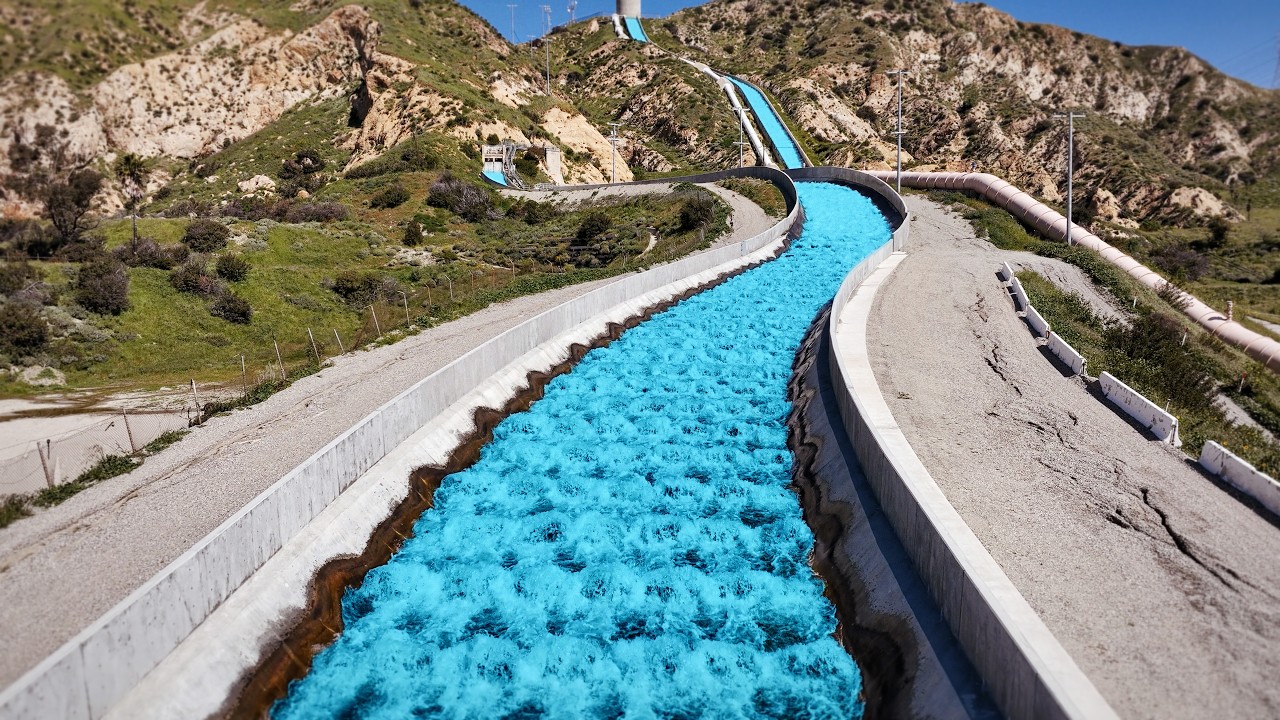
The Los Angeles Aqueduct is Wild
A video on YouTube. In Science & Engineering, a Krater category.
Watch on YouTubeSummary by Krater
This video examines the history and engineering of the Los Angeles Aqueduct, detailing how gravity, topography, and complex infrastructure transport water from the Owens Valley to Southern California.
From the video
Answers: How was the Los Angeles Aqueduct engineered to transport water over hundreds of miles using gravity?
- Los Angeles Aqueduct history and engineering
- Owens River diversion and water rights
- Gravity-fed water conveyance systems
- Inverted siphons and hydraulic pressure
- Environmental impacts on Owens Lake and Mono Lake
- San Francisquito Dam disaster
- California Aqueduct integration and water transfer
What it concludes
- The Los Angeles Aqueduct is primarily a gravity machine that relies on careful grading and elevation management rather than pumps to move water over 300 miles.
- The diversion of water from Owens Valley and Mono Lake caused severe environmental destruction, including dust pollution at Owens Lake and legal conflicts.
- The catastrophic failure of the San Francisquito Dam in 1928 killed over 400 people and severely damaged the aqueduct's infrastructure and William Mulholland's reputation.
- The construction of complex structures like inverted siphons allowed the aqueduct to cross major canyons under intense hydrostatic pressure.
- Later expansions, such as the Mono Basin extension and integration with the California Aqueduct, provided additional system flexibility and backup water sources for Los Angeles.
Rate it, review it and add it to your lists in Krater.
Titles and thumbnails from YouTube. Krater isn't affiliated with, endorsed by or sponsored by YouTube or Google.