 Krater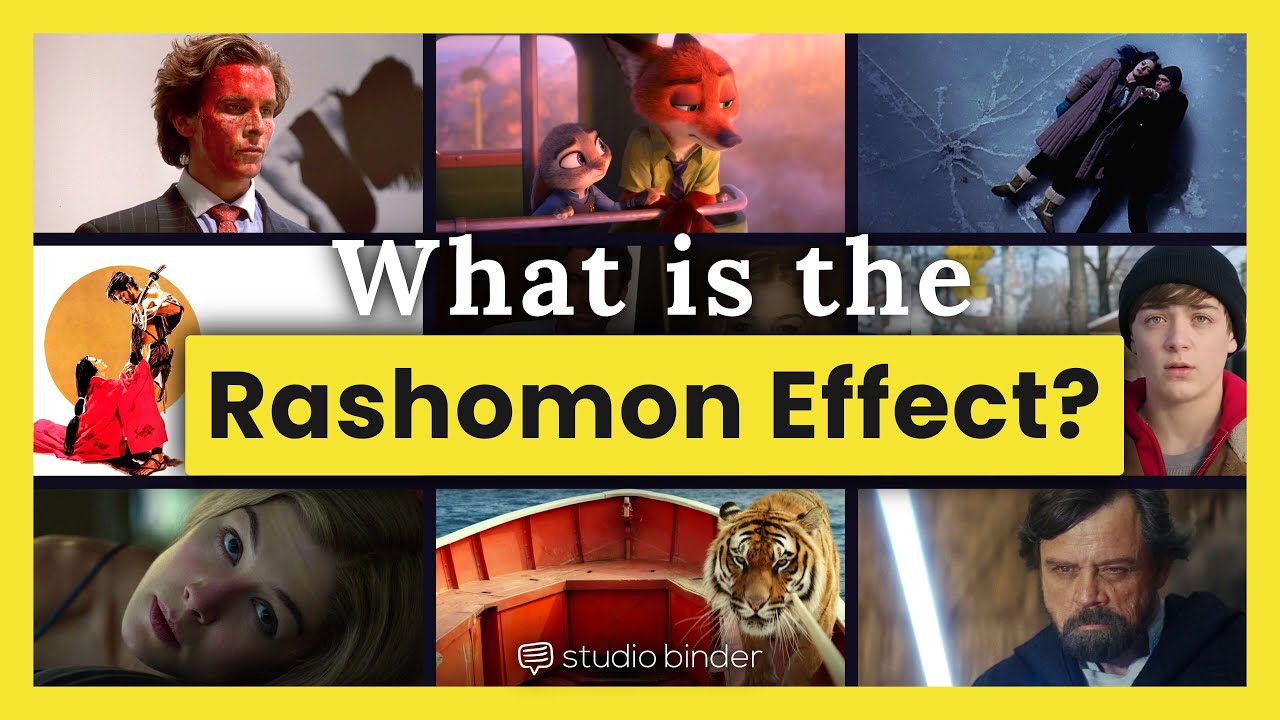
The Rashomon Effect Explained — Does Truth Actually Exist?
A video on YouTube. In Photography & Film, a Krater category.
Watch on YouTubeSummary by Krater
This video explains the Rashomon effect, detailing its definition, psychological origins, and applications in storytelling and cinema through examples like Kurosawa's Rashomon, Gone Girl, and Star Wars: The Last Jedi.
From the video
Answers: What is the Rashomon effect and how is it used in storytelling?
- Rashomon effect
- unreliable narrator
- implicit bias
- fallibility of memory
- alternative plot structures
What it concludes
- The Rashomon effect occurs when there are significantly different perspectives and interpretations of the same dramatic event by different eyewitnesses.
- Three criteria required to produce the Rashomon effect are different interpretations of the incident, no way to verify the truth, and pressure to bring closure and resolution to the event.
- Contradictory accounts of events are determined by personal natural biases and the flawed way our brain recalls memories.
- The memory of an event can grow less precise and even become totally false with each retrieval.
- The Rashomon effect can be employed through alternative plot structures and unreliable narrators to complicate truth and keep the audience engaged.
Rate it, review it and add it to your lists in Krater.
Titles and thumbnails from YouTube. Krater isn't affiliated with, endorsed by or sponsored by YouTube or Google.