 Krater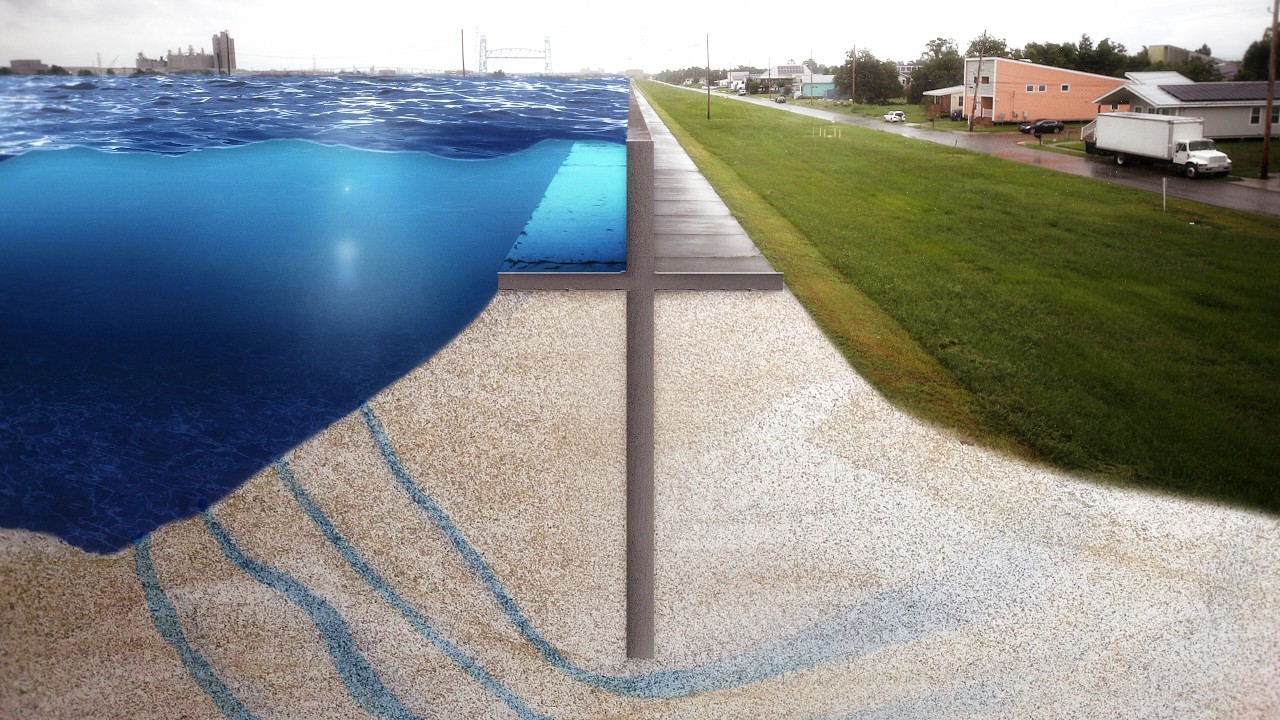
The Mind-Blowing Flaw That Flooded New Orleans
A video on YouTube. In Science & Engineering, a Krater category.
Watch on YouTubeSummary by Krater
This video examines why New Orleans flooded so severely during Hurricane Katrina, focusing on the engineering failures of levees and flood walls, particularly the 17th Street Canal and London Avenue Canal breaches.
From the video
Answers: Why did the New Orleans levees fail during Hurricane Katrina?
- Hurricane Katrina flood failures
- levee and I-wall engineering
- soil shear strength and subsurface water pressure
- outfall canals and pump stations
- hazard creep in flood protection
What it concludes
- Of the roughly 50 levee and flood wall breaches during Hurricane Katrina, only three accounted for the majority of the flows that submerged New Orleans and caused nearly half of the disaster's fatalities and economic damage.
- The 17th Street Canal levee failed because subsurface water pressure pushed soil particles apart along a plane of weakness, causing a large chunk of the levee to shift and creating a 450-foot wide gap.
- The London Avenue Canal failures were caused by the I-wall deflecting and opening a narrow gap into the foundation during high water levels, allowing subsurface water pressure to erode the sandy foundation and cause a complete breach.
- Without a rigorous analysis of subsurface soil conditions at the time of design, the potential seepage and stability problems that caused the levee breaches could not be predicted and corrected.
- Hazard creep occurred as protected areas were developed over time, meaning that any future levee overtopping would result in immense damage because former floodplains had been built out.
Rate it, review it and add it to your lists in Krater.
Titles and thumbnails from YouTube. Krater isn't affiliated with, endorsed by or sponsored by YouTube or Google.