 Krater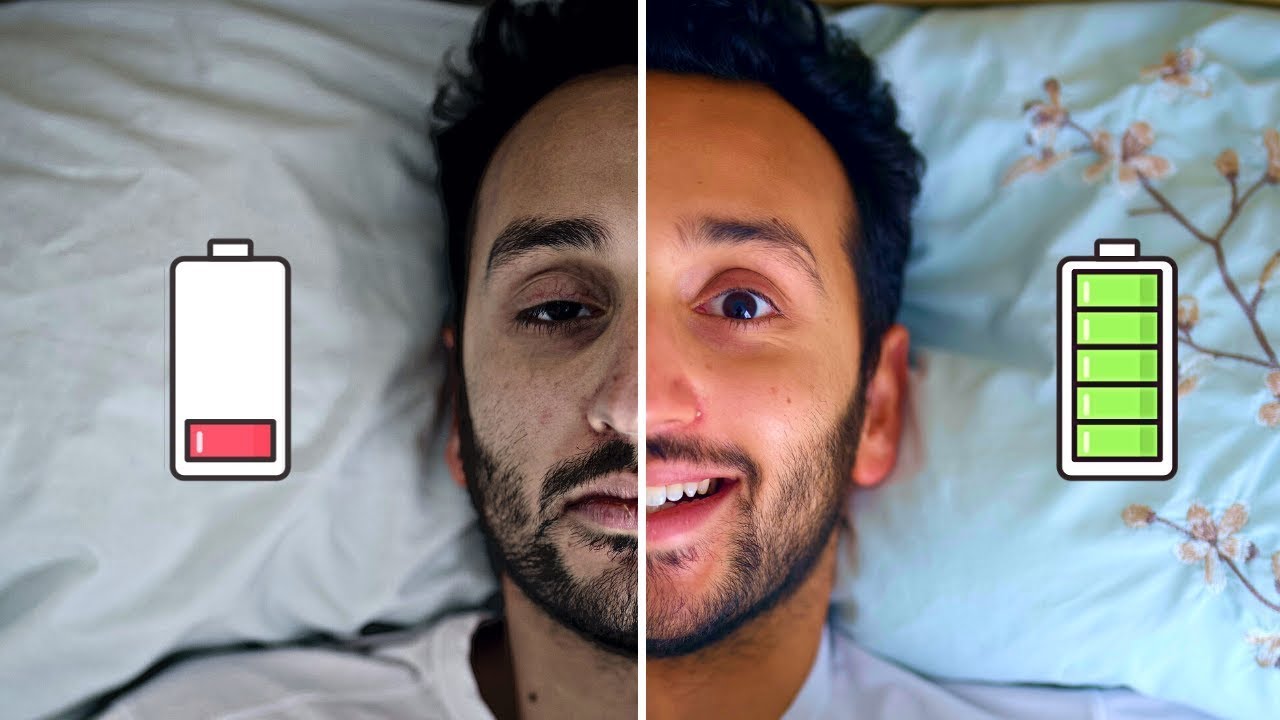
My Evidence-Based Sleep Routine
A video on YouTube. In Self-Improvement, a Krater category.
Watch on YouTubeSummary by Krater
Ali Abdaal shares nine evidence-based science-backed sleep tips and routines to improve sleep quality, wake up rested, and maintain a consistent sleep schedule.
From the video
Answers: How can I improve my sleep quality and wake up well-rested using evidence-based habits?
- Sleep hygiene
- Circadian rhythm
- Adenosine and sleep drive
- Morning sunlight exposure
- Caffeine timing and cutoff
- Evening sunlight exposure
- Artificial light and blue light blocking
- Bedroom temperature control
Exercises
- leg extension · machine
What it concludes
- Adults should sleep between 7 and 9 hours per night on a regular basis to promote optimal health and avoid adverse health outcomes.
- Maintaining a consistent sleep schedule and waking up at the same time helps synchronize internal chemistry and adenosine levels.
- Getting morning sunlight exposure within a few hours of waking helps trigger the release of cortisol and epinephrine for alertness and sets a 12 to 14 hour timer for melatonin release.
- Morning and light exercise helps build an anticipatory circuit that promotes morning energy and evening sleepiness.
- Stopping caffeine consumption 8 to 10 hours before bedtime prevents interference with adenosine receptors and improves sleep quality.
- Catching evening sunlight helps signal the circadian clock that sleep is approaching and promotes melatonin production later in the evening.
Rate it, review it and add it to your lists in Krater.
Titles and thumbnails from YouTube. Krater isn't affiliated with, endorsed by or sponsored by YouTube or Google.