 Krater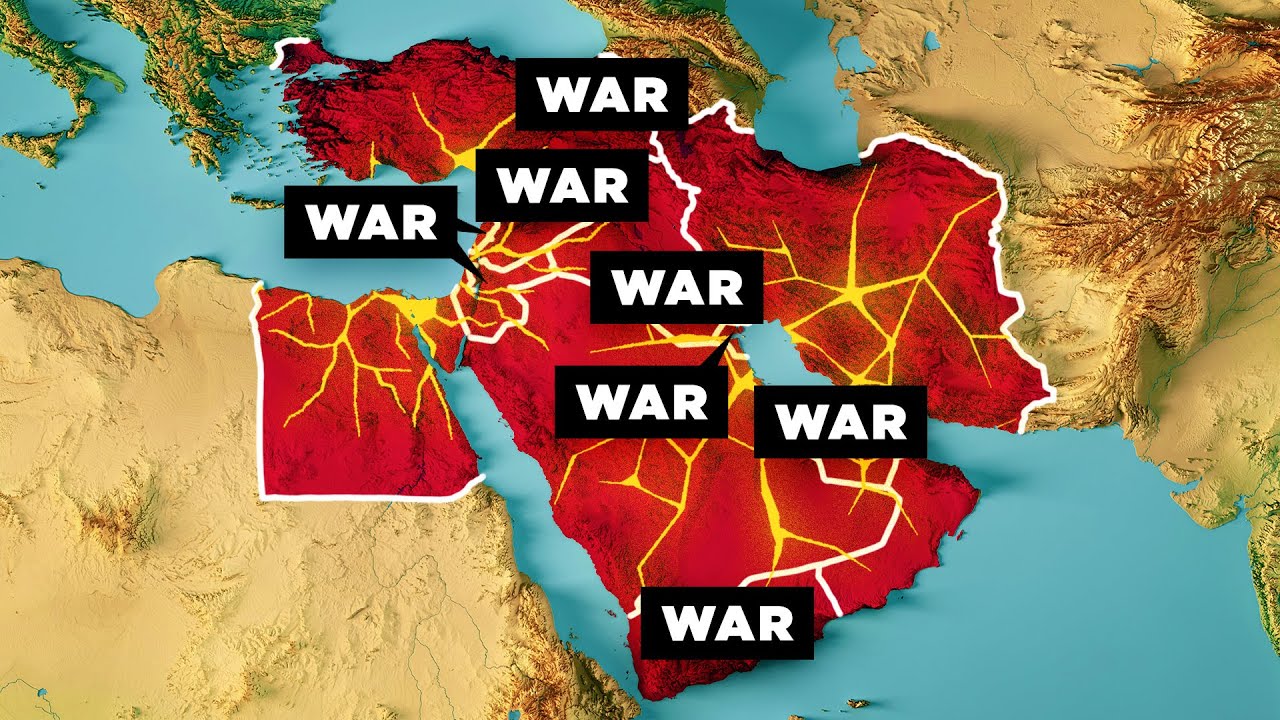
Why the Middle East’s Borders Guarantee Forever Wars
A video on YouTube. In Explainers, a Krater category.
Watch on YouTubeSummary by Krater
This video explores the geopolitical and historical causes of ongoing conflicts in the Middle East, tracing the region's instability back to the decline of the Ottoman Empire, European colonial interventions, the Sykes-Picot Agreement, and the discovery and exploitation of massive oil reserves.
From the video
Answers: Why is the Middle East in constant conflict?
- Ottoman Empire collapse
- Sykes-Picot Agreement
- Middle East border divisions
- Oil discoveries in the Middle East
- Arab-Israeli conflicts
- Kurdish nationalism
- British and French colonial mandates
- Iran-Iraq War
- Gulf War
What it concludes
- The modern Middle East is geopolitical chessboard with dozens of competing actors whose interests frequently conflict.
- The collapse of the Ottoman Empire and subsequent European colonial division laid the groundwork for a century of regional instability.
- The discovery of massive oil reserves made the Middle East a region of vital strategic importance, attracting foreign intervention and exacerbating internal conflicts.
- Artificial borders drawn without regard for ethnic, linguistic, or religious realities created long-term minority persecution and separatist conflicts, particularly affecting the Kurds.
- Foreign interventions, protectorates, and resource competition consistently undermined local governance, leading to recurring civil wars and proxy conflicts.
Rate it, review it and add it to your lists in Krater.
Titles and thumbnails from YouTube. Krater isn't affiliated with, endorsed by or sponsored by YouTube or Google.