 Krater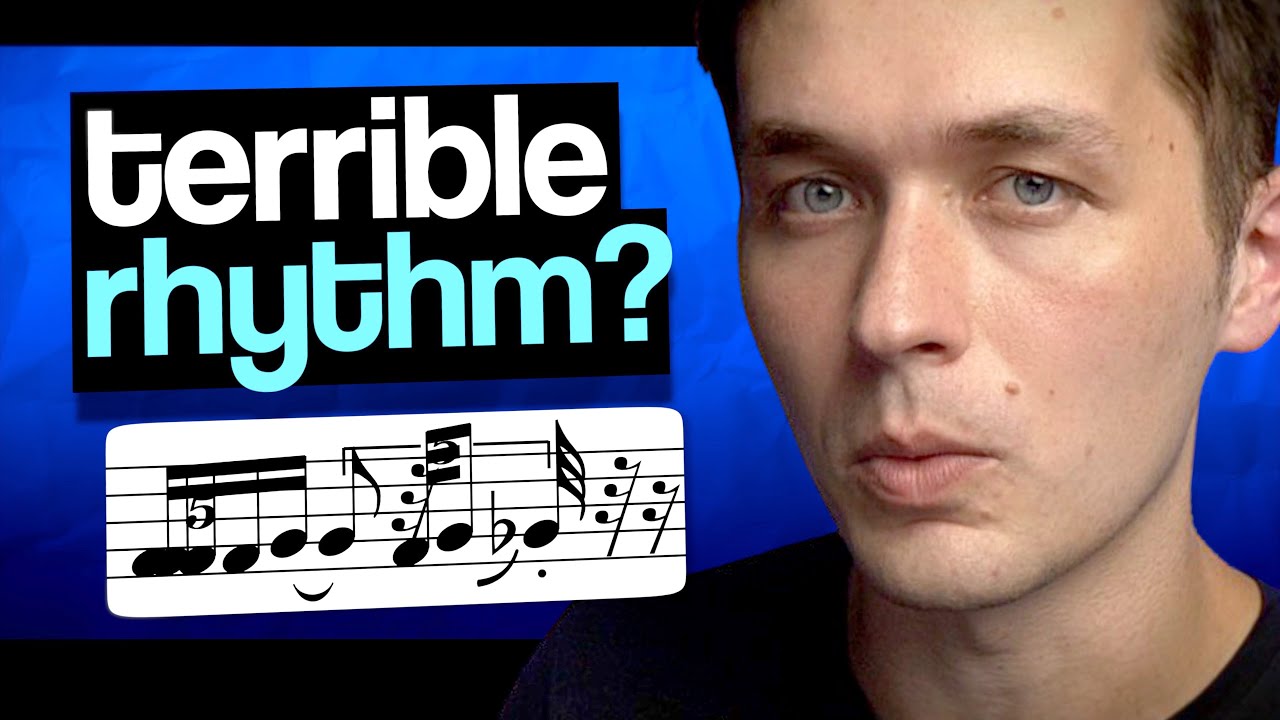
Why do horn players have TERRIBLE rhythm? | Q+A
A video on YouTube. In Music Lessons, a Krater category.
Watch on YouTubeSummary by Krater
Adam Neely answers viewer questions about music theory, horn section timing, beatboxing ensembles, guitar solos, bass technique, chord resolution, note naming rules, and video game music.
From the video
Answers: Why are horn sections often behind the beat and how do music theory concepts work?
- horn section timing in bands
- beatboxing in apartment sessions
- guitar solo alternatives on bass
- A6#5/#9/11 chord resolution
- alphabetical rule for note naming
- fmaj7/g chord resolution
- video game music acceptance
- playing music with physical limitations
- digital audio workstations for accessibility
What it concludes
- Triplets superimposed against quintuplets create a 5-against-3 feel with a unique rhythm.
- Horn players often focus heavily on improvisation, leading them to follow rhythmic cues rather than strict downbeats.
- Playing guitar solos on a bass by focusing on the vertical neck rather than horizontal runs makes it sound more like citharist playing.
- Western music notation's alphabetical rule requires every seven-note scale to name notes in alphabetical order, necessitating double sharps and double flats.
- Dominant seventh over G chords resolve nicely to C because they follow the five-one cadential patterns of the Western canon.
- Digital audio workstations are the best thing to happen to music accessibility by providing robust tools for musicians regardless of physical limitations.
Rate it, review it and add it to your lists in Krater.
Titles and thumbnails from YouTube. Krater isn't affiliated with, endorsed by or sponsored by YouTube or Google.