 Krater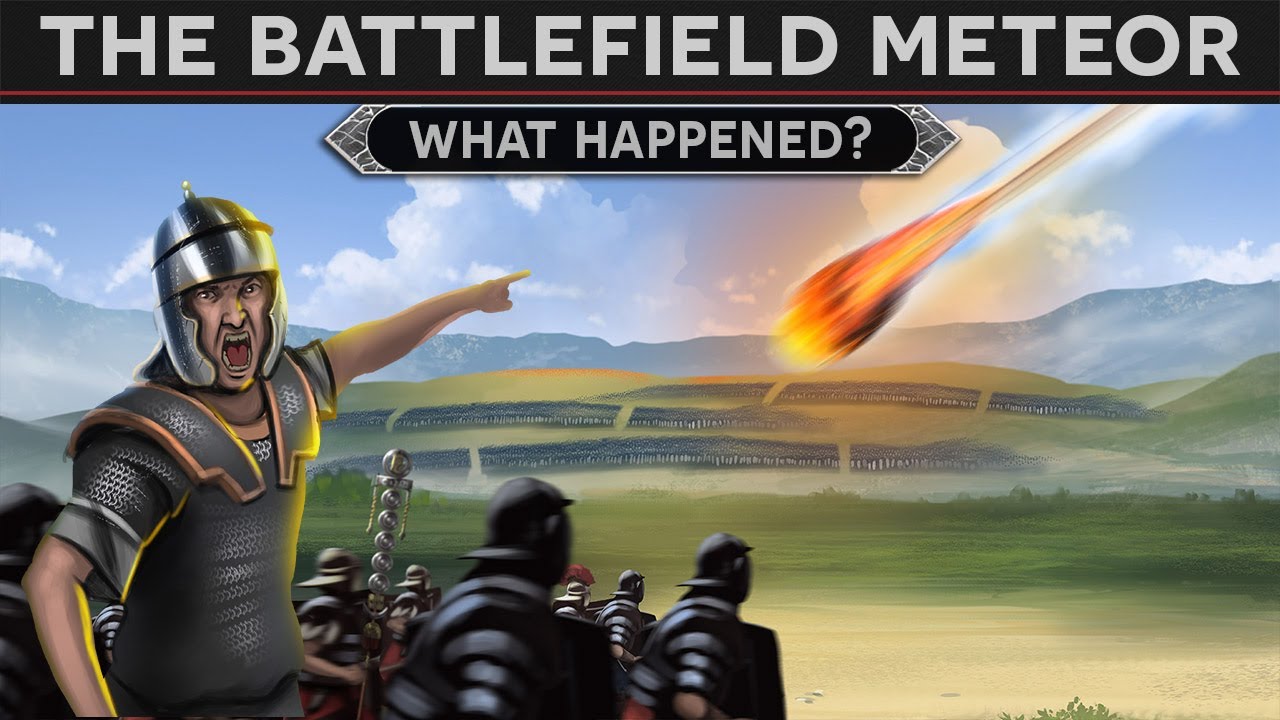
What Happened When a Meteor Hit a Roman Battlefield? (74 BC) - DOCUMENTARY
A video on YouTube. In History, a Krater category.
Watch on YouTubeSummary by Krater
This video examines how comets and celestial phenomena influenced ancient cultures, specifically focusing on the third Mithridatic War and the life of Mithridates VI of Pontus.
From the video
Answers: How did comets and celestial events influence ancient history, particularly the rise and fall of Mithridates VI?
- comets in ancient history
- third Mithridatic War
- Mithridates VI of Pontus
- Sibylline Oracles
- Antikythera device
What it concludes
- Comets and celestial phenomena were frequently interpreted by ancient cultures as omens of great change, destiny, or doom.
- Jewish traditions and the Sibylline Oracles incorporated prophetic passages regarding comets as signs of the fall of Rome or the arrival of a messiah.
- In 135 BC and 119 BC, comets recorded by Chinese observers coincided with significant life events and the coronation of Mithridates VI.
- During the third Mithridatic War, a fiery celestial body was witnessed falling between the Roman and Pontic armies, halting battle.
- The Antikythera device exemplifies the sophisticated astronomical and mechanical tools developed in the ancient world to track celestial bodies.
- Despite his military campaigns and divine propaganda, Mithridates VI's great war ended in Roman victory and his death in 63 BC.
Rate it, review it and add it to your lists in Krater.
Titles and thumbnails from YouTube. Krater isn't affiliated with, endorsed by or sponsored by YouTube or Google.