 Krater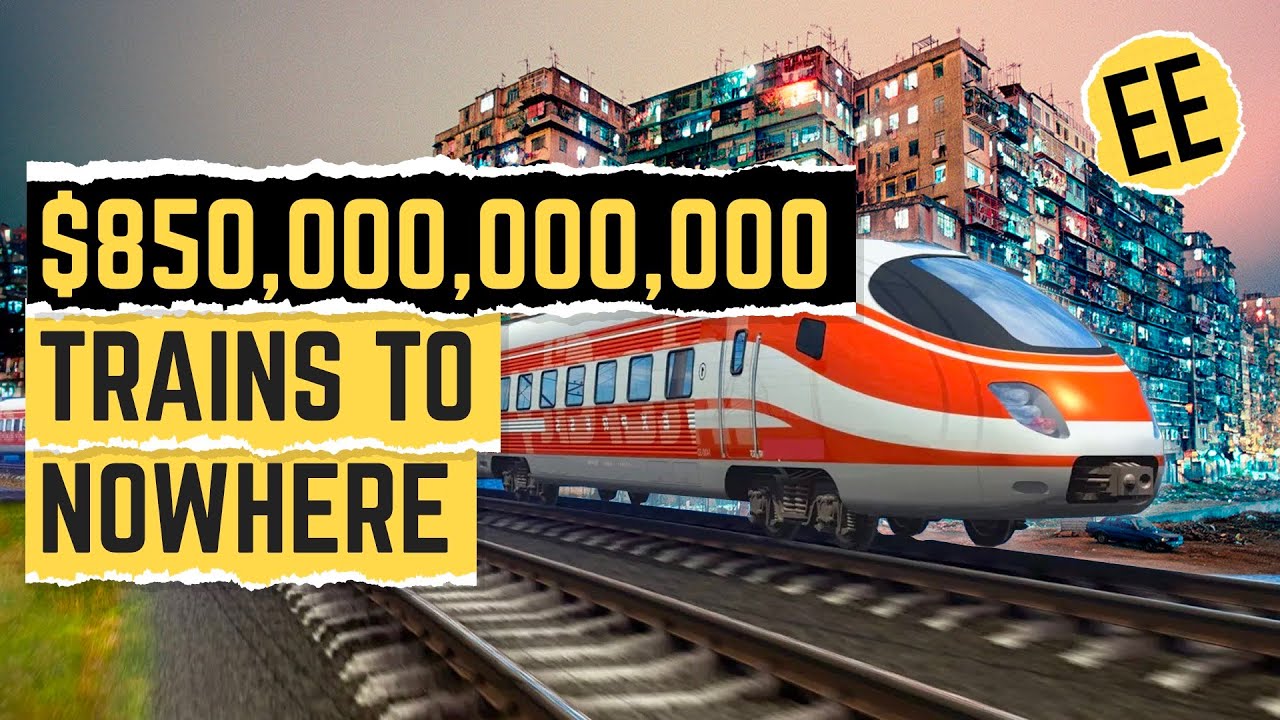
China Has A Debt Problem Three Times Larger Than Evergrande | Economics Explained
A video on YouTube. In Business & Money, a Krater category.
Watch on YouTubeSummary by Krater
An explainer examining the rise and subsequent financial difficulties of China's high-speed rail network, analyzing how massive infrastructure investment initially averted recession but ultimately resulted in mounting debt, maintenance costs, and profitability issues.
From the video
Answers: Why is China's high-speed rail network struggling with debt?
- High-speed rail network development in China
- Infrastructure spending and economic stimulus
- Debt and financial sustainability of state-owned enterprises
- Impact of corruption and design flaws on rail safety
What it concludes
- Infrastructure spending acts as a form of stimulus while building long-term value for the economy.
- China built the world's largest high-speed rail network to boost labor mobility and prevent a recession during the global financial crisis.
- Corruption and design flaws led to severe safety incidents, including a high-speed train collision in 2011.
- High-speed rail lines have become unprofitable because they were expanded into smaller tier cities with insufficient passenger demand.
- China's high-speed rail network is burdened by $850 billion in debt, with maintenance costs, price rigidities, and the COVID-19 pandemic increasing financial strain.
Rate it, review it and add it to your lists in Krater.
Titles and thumbnails from YouTube. Krater isn't affiliated with, endorsed by or sponsored by YouTube or Google.