 Krater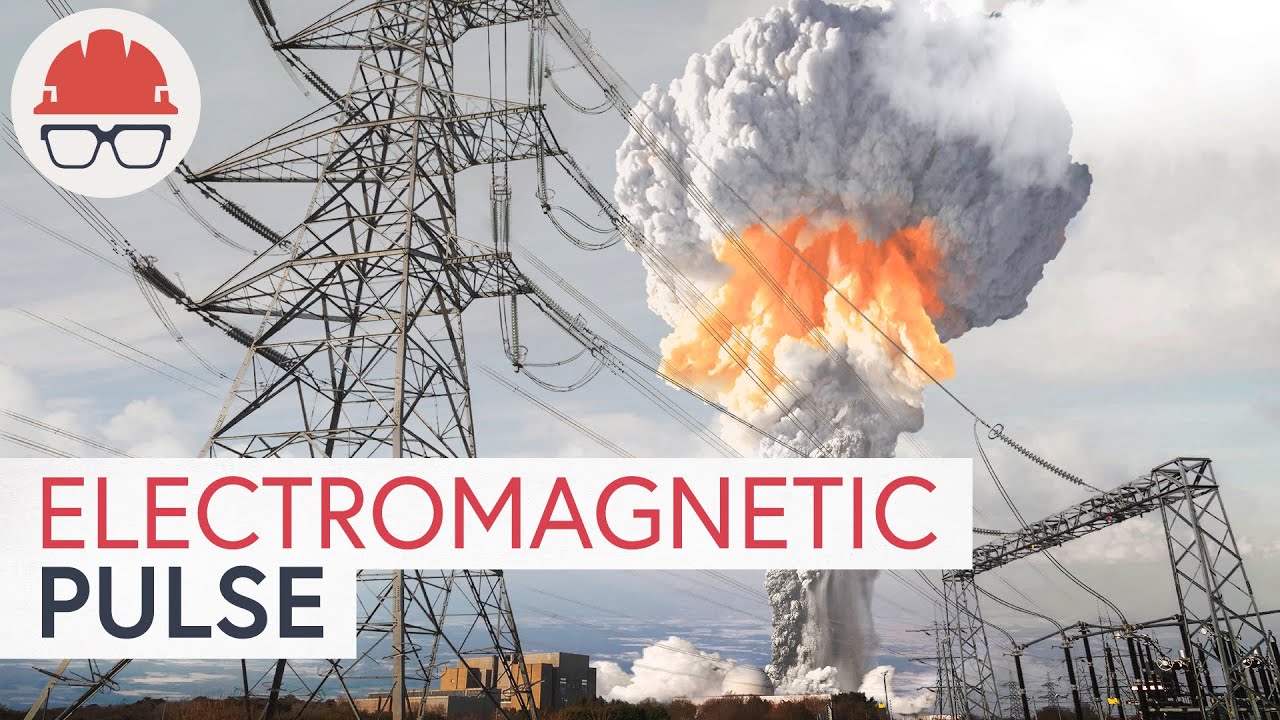
How Would a Nuclear EMP Affect the Power Grid?
A video on YouTube. In Science & Engineering, a Krater category.
Watch on YouTubeSummary by Krater
This video examines the potential impacts of a high-altitude electromagnetic pulse (HEMP) on the power grid, analyzing the three distinct pulse components (E1, E2, and E3) and their effects on power infrastructure, transformers, and electrical relays.
From the video
Answers: What would a high-altitude electromagnetic pulse actually do to the power grid?
- High-altitude electromagnetic pulse
- Power grid vulnerability
- E1, E2, and E3 EMP components
- Transformer saturation
- Electric Power Research Institute study
What it concludes
- An E1 EMP pulse can generate massive voltage spikes in metallic objects, potentially overwhelming digital protective relays and electrical devices across a wide region.
- While the E2 pulse is comparable to lightning strikes, the power grid is already largely hardened against lightning, making E2 less threatening to power infrastructure.
- The E3 pulse can induce DC flow in transmission lines, causing transformer core saturation, hotspots, and potential regional blackouts due to supply and demand imbalances.
- Studies indicate that an EMP attack could damage about 5% of transmission line relays, leading to widespread regional blackouts without causing widespread permanent damage to transformers.
Rate it, review it and add it to your lists in Krater.
Titles and thumbnails from YouTube. Krater isn't affiliated with, endorsed by or sponsored by YouTube or Google.