 Krater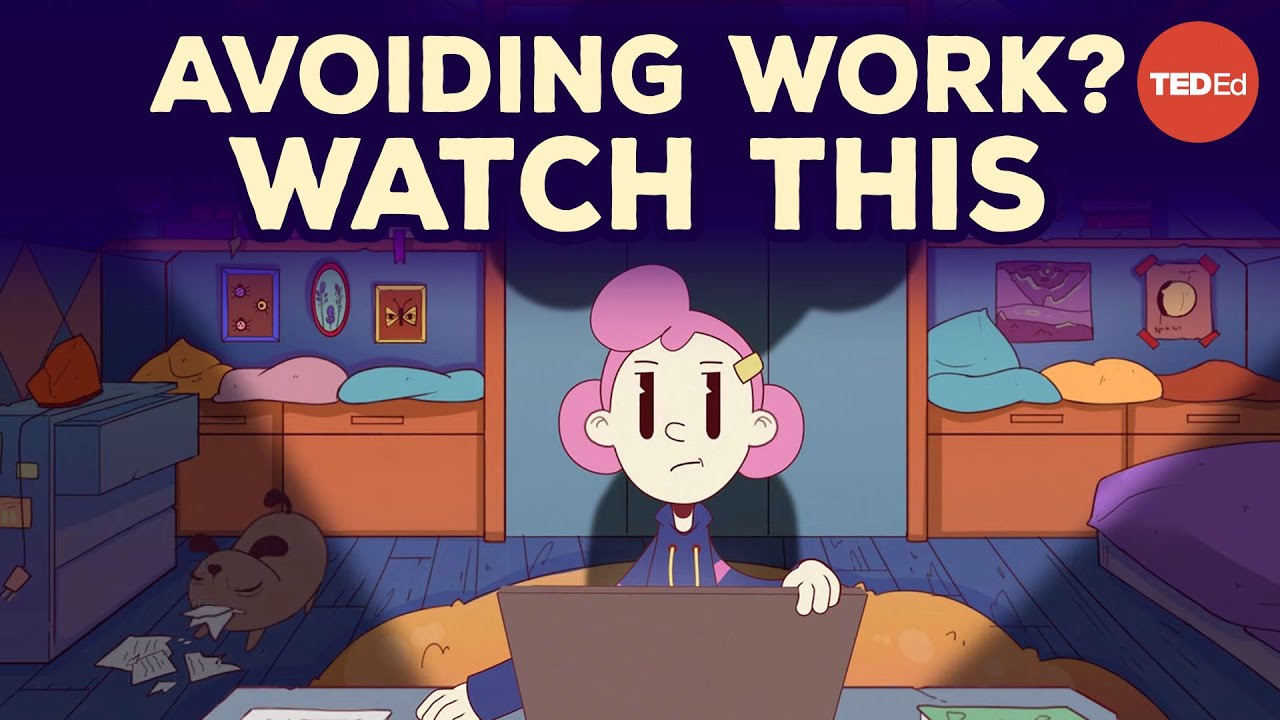
Why you procrastinate even when it feels bad
A video on YouTube. In Explainers, a Krater category.
Watch on YouTubeSummary by Krater
This video explains the psychological reasons behind procrastination, showing how the brain perceives stressful tasks as threats and triggers a fight-or-flight response. It concludes that procrastination is driven by emotional avoidance and self-criticism, and offers strategies like breaking tasks into smaller steps and practicing self-compassion to break the cycle.
From the video
Answers: Why do I procrastinate even when I know it's bad for me?
- psychology of procrastination
- amygdala and threat response
- stress and emotional regulation
- breaking the procrastination cycle
- self-compassion in time management
What it concludes
- Procrastination is not simply laziness, but an emotional coping mechanism driven by the brain's threat response to stressful tasks.
- Individuals with difficulties regulating emotions or struggling with low self-esteem are much more likely to procrastinate.
- Strict time management and being too hard on oneself can add bad emotions to a task and intensify the stress response.
- Breaking tasks into smaller elements, journaling about underlying concerns, removing distractions, and cultivating self-compassion can help break the cycle of procrastination.
Rate it, review it and add it to your lists in Krater.
Titles and thumbnails from YouTube. Krater isn't affiliated with, endorsed by or sponsored by YouTube or Google.