 Krater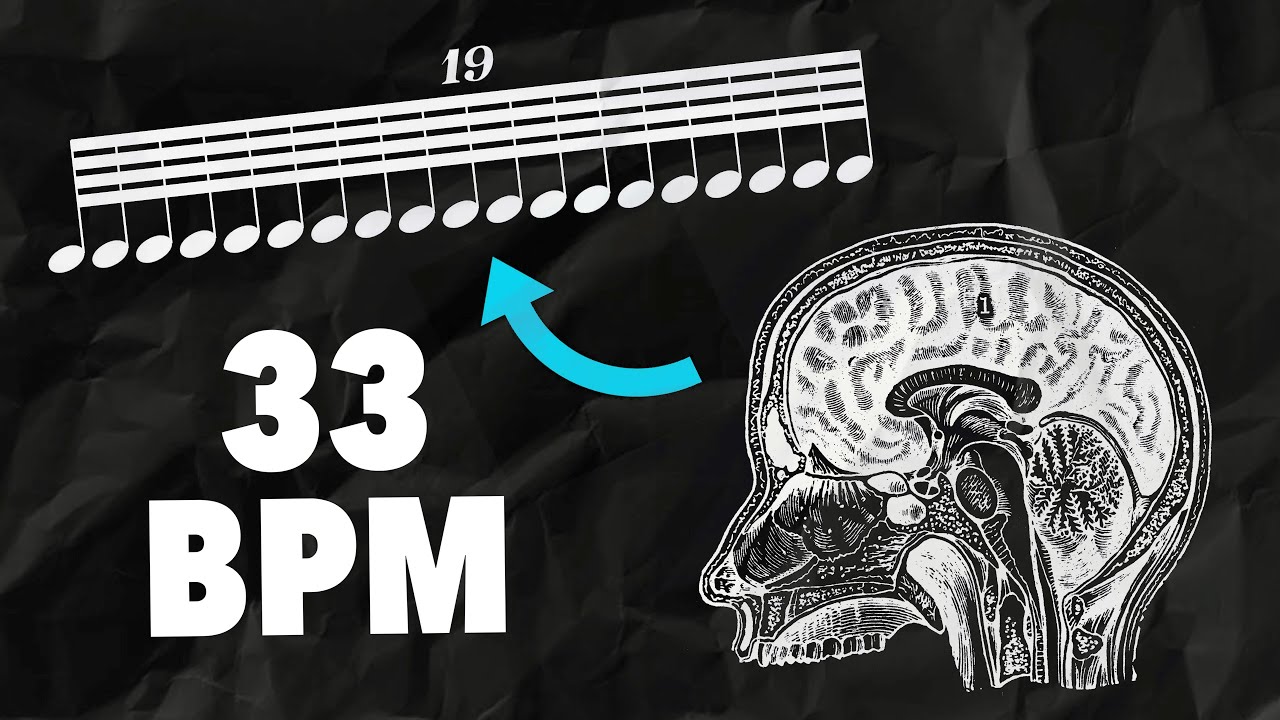
The Psychology of Extreme Rhythms
A video on YouTube. In Music Lessons, a Krater category.
Watch on YouTubeSummary by Krater
Adam Neely explains the psychological concepts of musical rhythm thresholds, including the indifference interval and rhythmic thresholds, through examples of walking speed and tempo perception.
From the video
Answers: What are the psychological and physiological limits of human rhythm perception in music?
- music psychology
- rhythm thresholds
- indifference interval
- tempo perception
- musical meter
What it concludes
- The indifference interval of music corresponds to roughly 100 beats per minute or a beat every 600 milliseconds, which matches normal walking speed.
- Humans have hard limits on how fast and slow our brains can process rhythm, with the lower rhythmic threshold pegged at about 100 milliseconds.
- Playing faster than 10 notes per second makes it difficult for the human brain to process subdivisions and distinguish between speeds.
Rate it, review it and add it to your lists in Krater.
Titles and thumbnails from YouTube. Krater isn't affiliated with, endorsed by or sponsored by YouTube or Google.