 Krater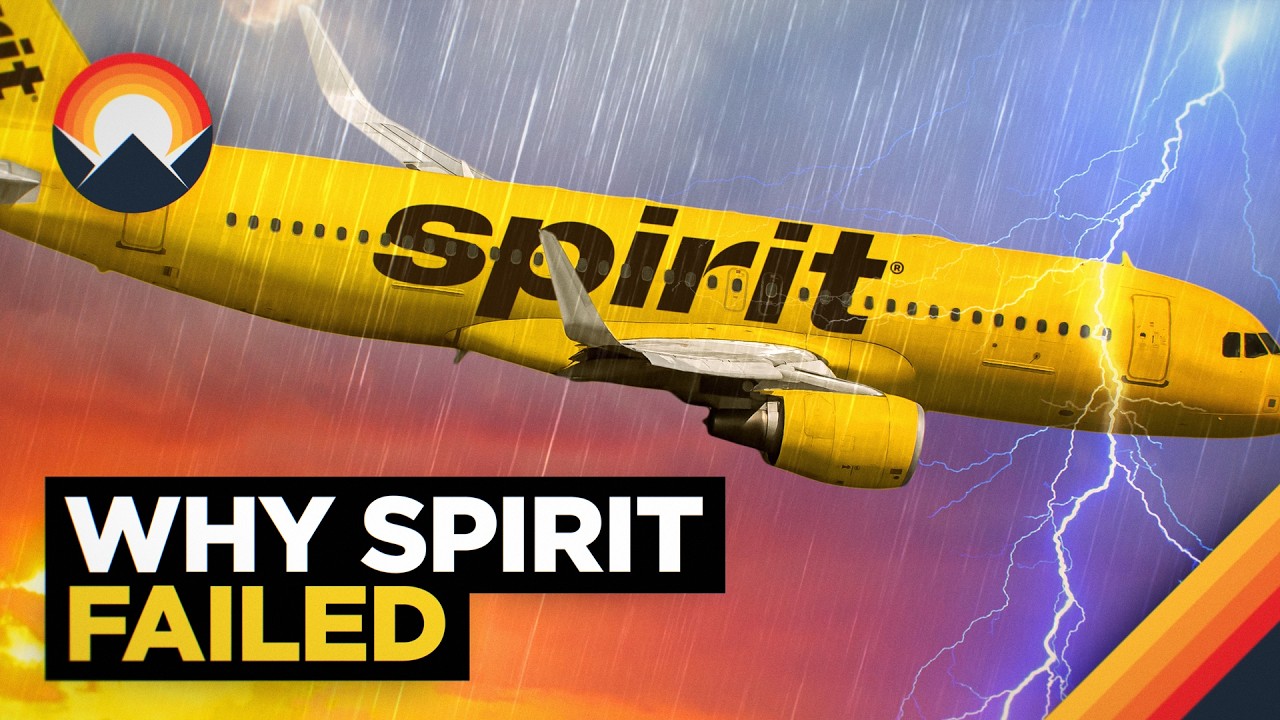
The Problem With Spirit Airlines’ Business Model
A video on YouTube. In Explainers, a Krater category.
Watch on YouTubeSummary by Krater
An in-depth analysis of Spirit Airlines' rise, its ultra-low-cost business model, the economic pressures and strategic missteps that led to its collapse, and the legal hurdles of attempted mergers with Frontier and JetBlue.
From the video
Answers: What caused the collapse and shutdown of Spirit Airlines?
- Spirit Airlines business model
- Ultra-low-cost carrier economics
- Airline mergers and antitrust law
- Impact of COVID-19 on aviation
- Pratt & Whitney engine recalls
What it concludes
- Spirit Airlines found a highly successful niche with an ultra-low-cost model, growing passenger counts from under 7 million in 2010 to nearly 34 million in 2019 while turning a profit each year.
- Post-COVID recovery proved difficult for Spirit as mainstream airlines lowered economy prices and passengers increasingly elected to pay for premium offerings, eroding Spirit's low-cost market advantage.
- Pratt & Whitney engine manufacturing contamination issues forced Spirit to ground up to 40 aircraft and incur massive lease costs without sufficient compensation.
- The Biden DOJ successfully blocked both the Frontier and JetBlue merger proposals on antitrust grounds, destroying Spirit's exit strategies and accelerating its financial collapse.
- Spirit Airlines ceased all operations on May 2, 2026, resulting in 17,000 job losses and ending a 34-year legacy of budget air travel.
Rate it, review it and add it to your lists in Krater.
Titles and thumbnails from YouTube. Krater isn't affiliated with, endorsed by or sponsored by YouTube or Google.