 Krater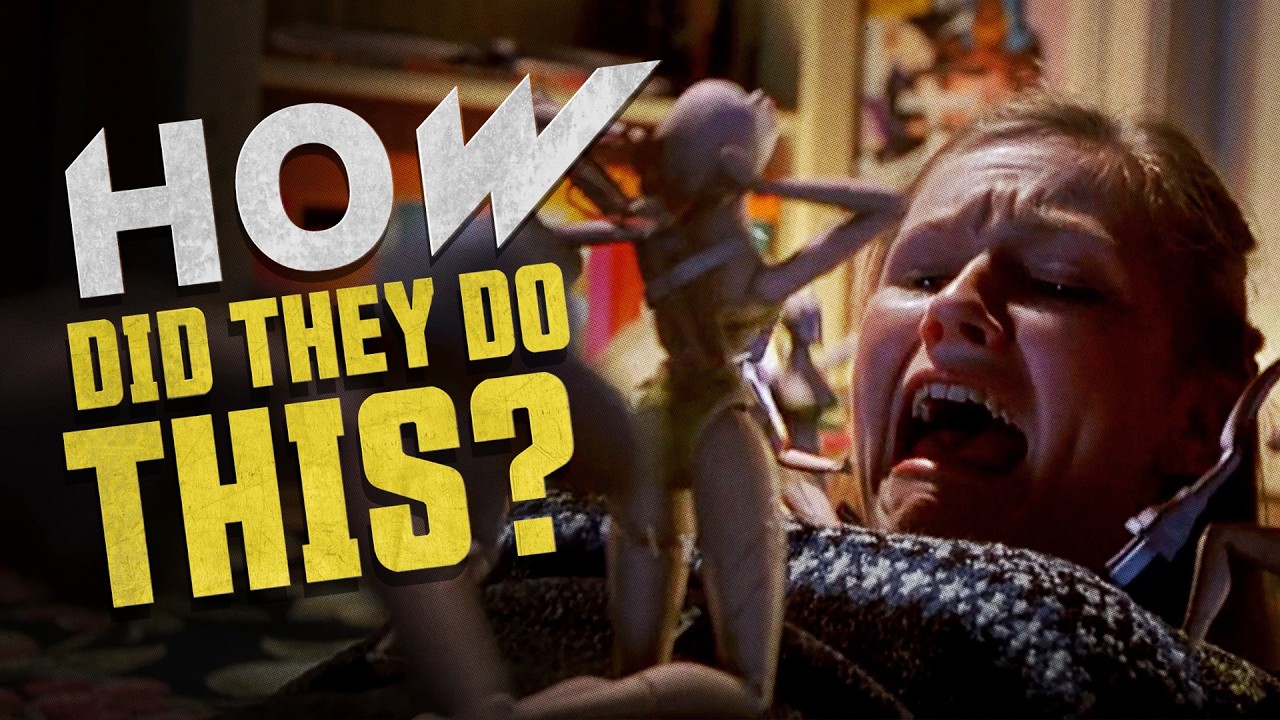
Amazing Effects in Classic Films - How Did They Pull It Off? | Part 13
A video on YouTube. In Photography & Film, a Krater category.
Watch on YouTubeSummary by Krater
An analysis of special effects in classic films like Bride of Frankenstein, The Cranes Are Flying, Back to the Future Part II, The Lost World: Jurassic Park, Small Soldiers, and Inception, examining how optical compositing, practical puppets, and physical camera rigs were used to achieve impossible shots.
From the video
Answers: How were practical and early special effects achieved in classic movies?
- practical effects in cinema
- optical compositing in 1930s film
- camera movement in 1950s Soviet cinema
- hoverboard effects in Back to the Future Part II
- animatronic puppet construction in The Lost World Jurassic Park
- hybrid puppetry and CGI in Small Soldiers
- rotating hallway set in Inception
What it concludes
- Bride of Frankenstein achieved tiny people in jars by shooting actors in glass tubes and compositing them into wide-frame scenes using high-contrast matting techniques.
- The Cranes Are Flying utilized a free camera technique with handheld cameras and crane lifts to create a sense of immediacy and immersion.
- Back to the Future Part II used a combination of wire suspension rigs, cranes, custom camera lifts, and puppeteered props to simulate hoverboards and self-adjusting jackets.
- The Lost World: Jurassic Park relied heavily on practical animatronic puppets built by Stan Winston Studio, featuring rod-operated, magnetic, and fully articulated hero copies.
- Small Soldiers combined practical puppetry with advanced CGI by using new digital scanning tools to create super-accurate 3D scans of puppets.
- Inception achieved the spinning hallway fight sequence by constructing a massive rotating gimbal set inside a blimp hangar.
Rate it, review it and add it to your lists in Krater.
Titles and thumbnails from YouTube. Krater isn't affiliated with, endorsed by or sponsored by YouTube or Google.