 Krater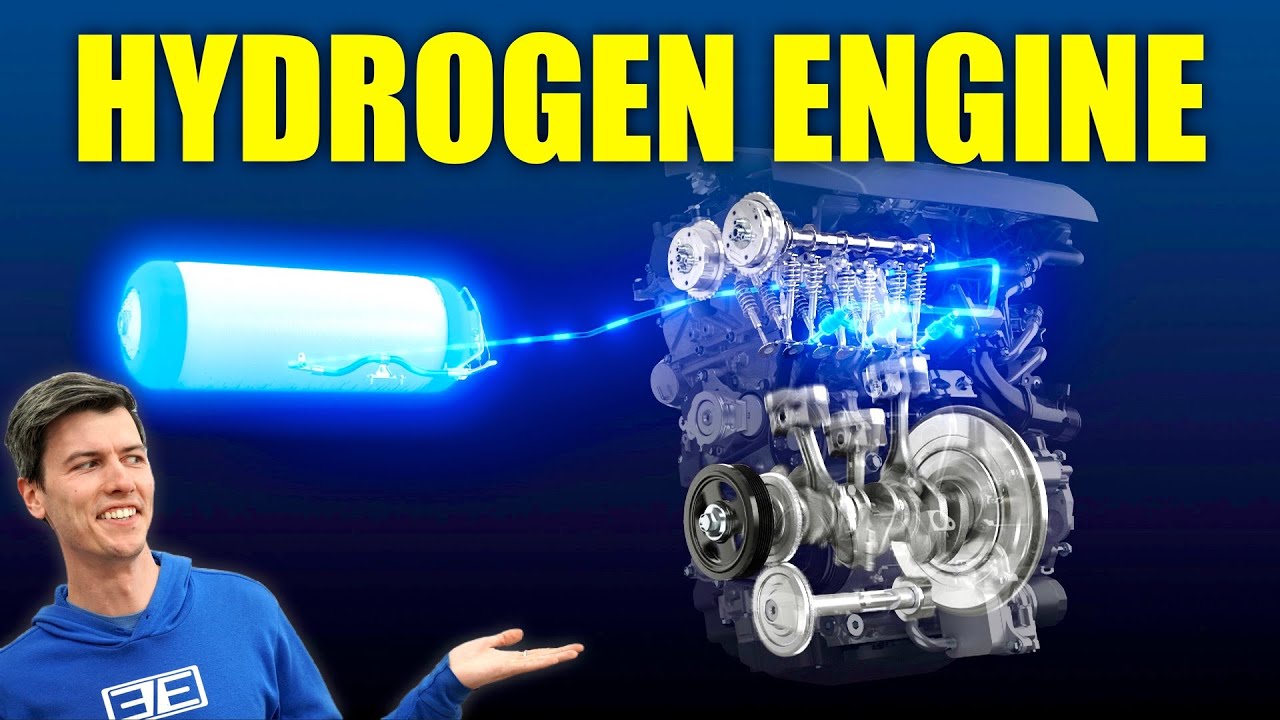
Toyota's Developing A Hydrogen Combustion Engine!
A video on YouTube. In Cars, a Krater category.
Watch on YouTubeSummary by Krater
This video examines Toyota's development of hydrogen combustion engines, exploring how they convert internal combustion engines to run on hydrogen. It covers racing performance, emissions like NOx and CO2, production methods, storage challenges, and compares hydrogen combustion with hydrogen fuel cells.
From the video
Answers: How do hydrogen combustion engines work and what are the challenges with them?
- Hydrogen combustion engines
- Toyota GR Yaris
- Toyota Corolla Sport
- HCCI combustion
- Hydrogen storage and production
What it concludes
- Hydrogen combustion in converted internal combustion engines produces water and nitrogen oxides as emissions, along with minor CO2 from burning engine oil.
- HCCI hydrogen combustion achieves very lean combustion with low NOx and 45 percent thermal efficiency, but suffers from extremely difficult control and low load capability.
- Hydrogen fuel cell vehicles like the Toyota Mirai are significantly more efficient than hydrogen combustion engines, offering greater range with less energy.
- Hydrogen production currently relies heavily on natural gas reforming, reducing its carbon-neutral benefits unless produced via expensive renewable electrolysis.
- Storage of high-pressure hydrogen requires heavy, large tanks that create impractical space and weight penalties for combustion-powered vehicles.
Rate it, review it and add it to your lists in Krater.
Titles and thumbnails from YouTube. Krater isn't affiliated with, endorsed by or sponsored by YouTube or Google.