 Krater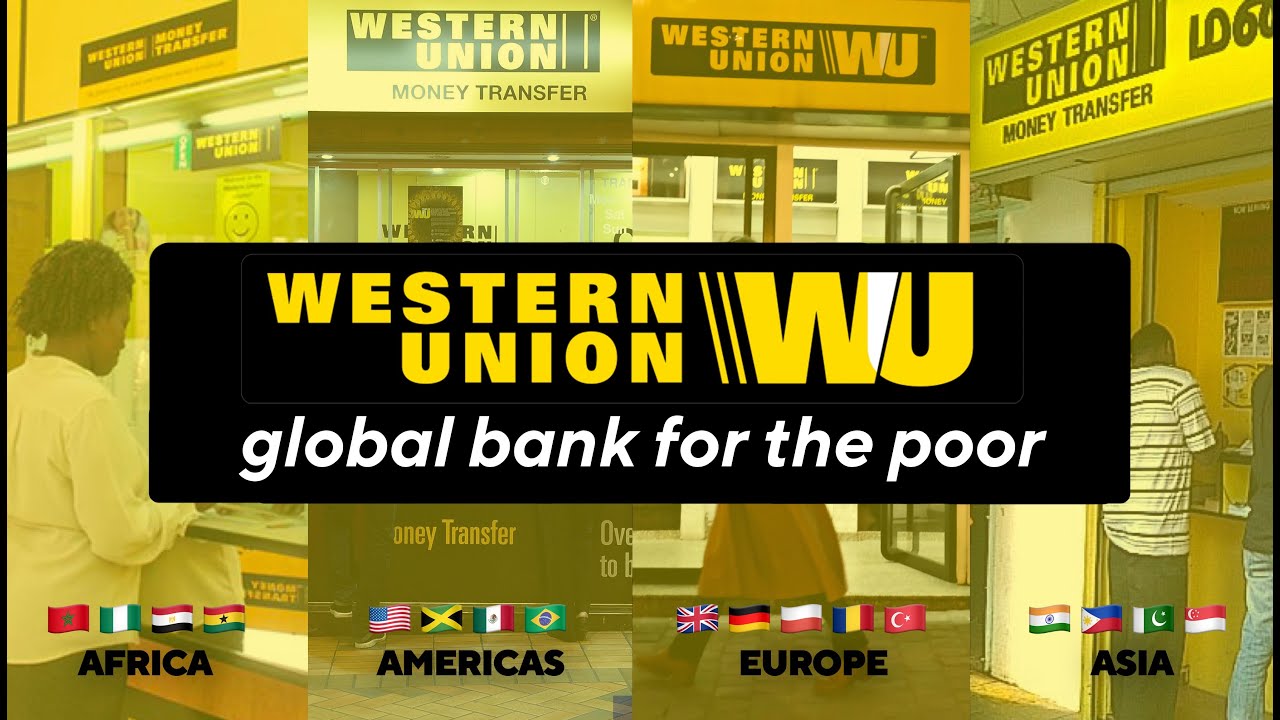
Western Union: Banking & Finance for the Poor
A video on YouTube. In Business & Money, a Krater category.
Watch on YouTubeSummary by Krater
This video examines the business model of Western Union and MoneyGram, analyzing how they serve migrant workers and unbanked populations globally through cash-to-cash money transfers, and how they are shifting into digital banking apps.
From the video
Answers: How do Western Union and MoneyGram make money and operate their cash transfer business?
- Cash-to-cash money transfers
- Migrant worker financial services
- Agent network economics
- Remittance corridors
- Digital banking transformation
What it concludes
- Western Union and MoneyGram built massive scale through third-party retail agent networks, avoiding physical bank infrastructure costs.
- Intense competition from digital P2P apps like Venmo and PayPal forced Western Union to lower fees and shift toward digital financial ecosystems.
- Despite top-line revenue regression, Western Union maintains consistent double-digit operating and net margins.
- Western Union funded significant stock buybacks using borrowed money rather than operating cash.
- Western Union's future success depends on transitioning cash-only customers into its digital banking app and ecosystem services.
Rate it, review it and add it to your lists in Krater.
Titles and thumbnails from YouTube. Krater isn't affiliated with, endorsed by or sponsored by YouTube or Google.