 Krater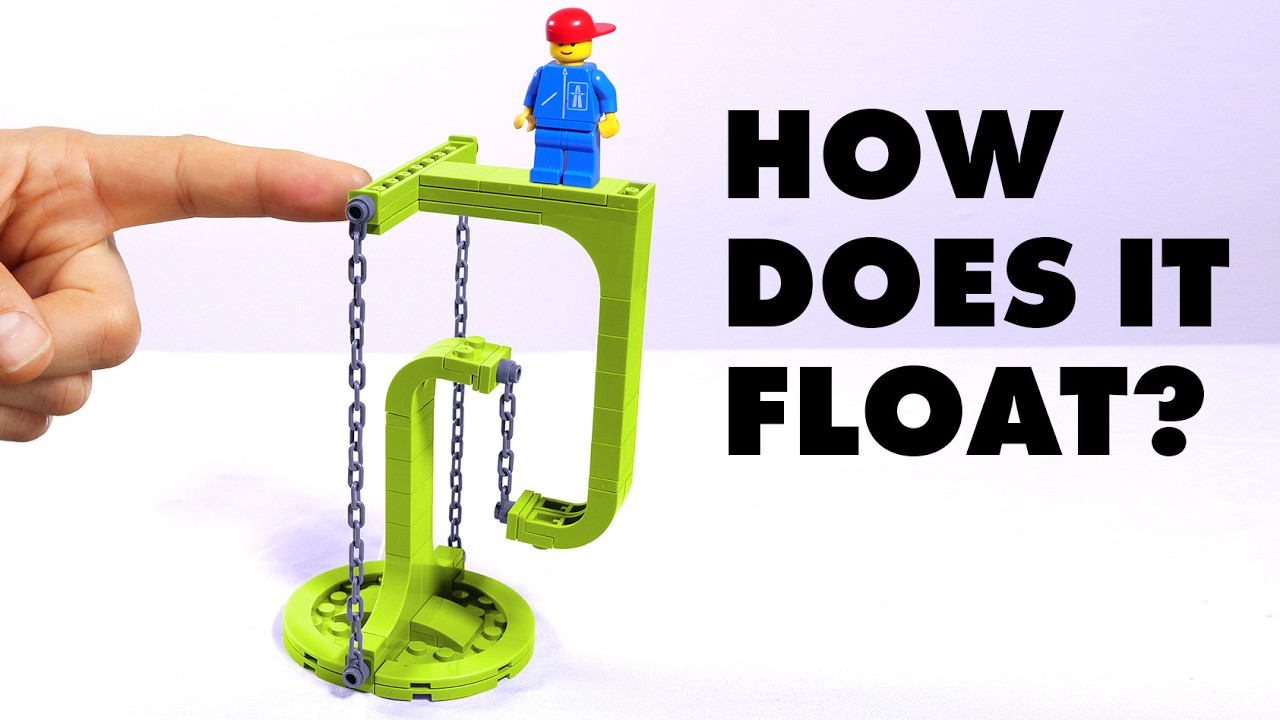
Tensegrity Explained
A video on YouTube. In Science & Engineering, a Krater category.
Watch on YouTubeSummary by Krater
Steve Mould explains how tensegrity structures work by building and testing 2D and 3D versions made of acrylic, elastic bands, and LEGO pieces.
From the video
Answers: How do tensegrity structures work?
- Tensegrity structure mechanics
- Compression and tension in structures
- 2D tensegrity model building
- 3D tensegrity stability criteria
- Tensegrity applications in nature and engineering
What it concludes
- A tensegrity structure requires components in compression and components in tension.
- A 2D tensegrity structure needs at least two outer cables to remain stable.
- A 3D tensegrity structure needs at least three cables to remain stable in three dimensions.
- Basing structures on tensegrity configurations optimizes for strength and lightness.
Rate it, review it and add it to your lists in Krater.
Titles and thumbnails from YouTube. Krater isn't affiliated with, endorsed by or sponsored by YouTube or Google.