 Krater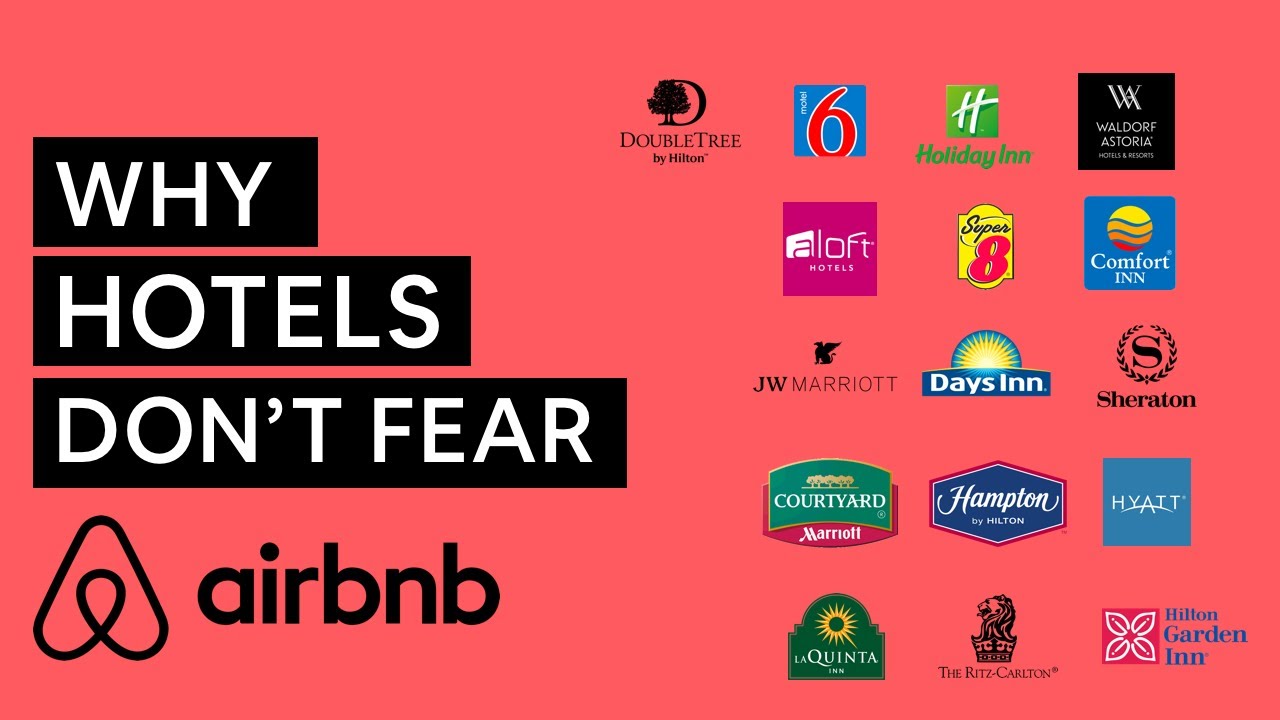
Why Airbnb Fails to Disrupt the Hotel Industry
A video on YouTube. In Business & Money, a Krater category.
Watch on YouTubeSummary by Krater
This video examines the hotel industry's business model, comparing traditional owner-operated hotels with Airbnb's asset-light, fee-based platform, and concludes that major hotel chains have long operated on similar platform models, making Airbnb a distinct competitor rather than an existential threat.
From the video
Answers: How does Airbnb compare to traditional hotel businesses in their business models and impact on the hotel industry?
- Hotel industry business models
- Asset-light vs asset-heavy business models
- Airbnb growth and market disruption
- Hotel occupancy rates and seasonality
- Franchise and management fee structures
- Hotel construction and capital requirements
What it concludes
- Hotels have high fixed and variable costs, requiring consistent volume and high room pricing in peak seasons to offset low-season operating losses.
- Amenities like pools, gyms, bars, and spas increase average guest bills and customer lifetime value while raising direct operating costs.
- Airbnb operates on an asset-light fee-based business model, enabling it to scale rapidly without the capital expenditures required by traditional hotels.
- Traditional hotel giants have historically operated on similar fee-based franchise and management models, making Airbnb a continuation of existing industry structures rather than a novel disruption.
Rate it, review it and add it to your lists in Krater.
Titles and thumbnails from YouTube. Krater isn't affiliated with, endorsed by or sponsored by YouTube or Google.